Islam & Marriage
Calm, structured writing on choosing standards, the Islamic engagement period and preparing for a stable home.
Latest articles
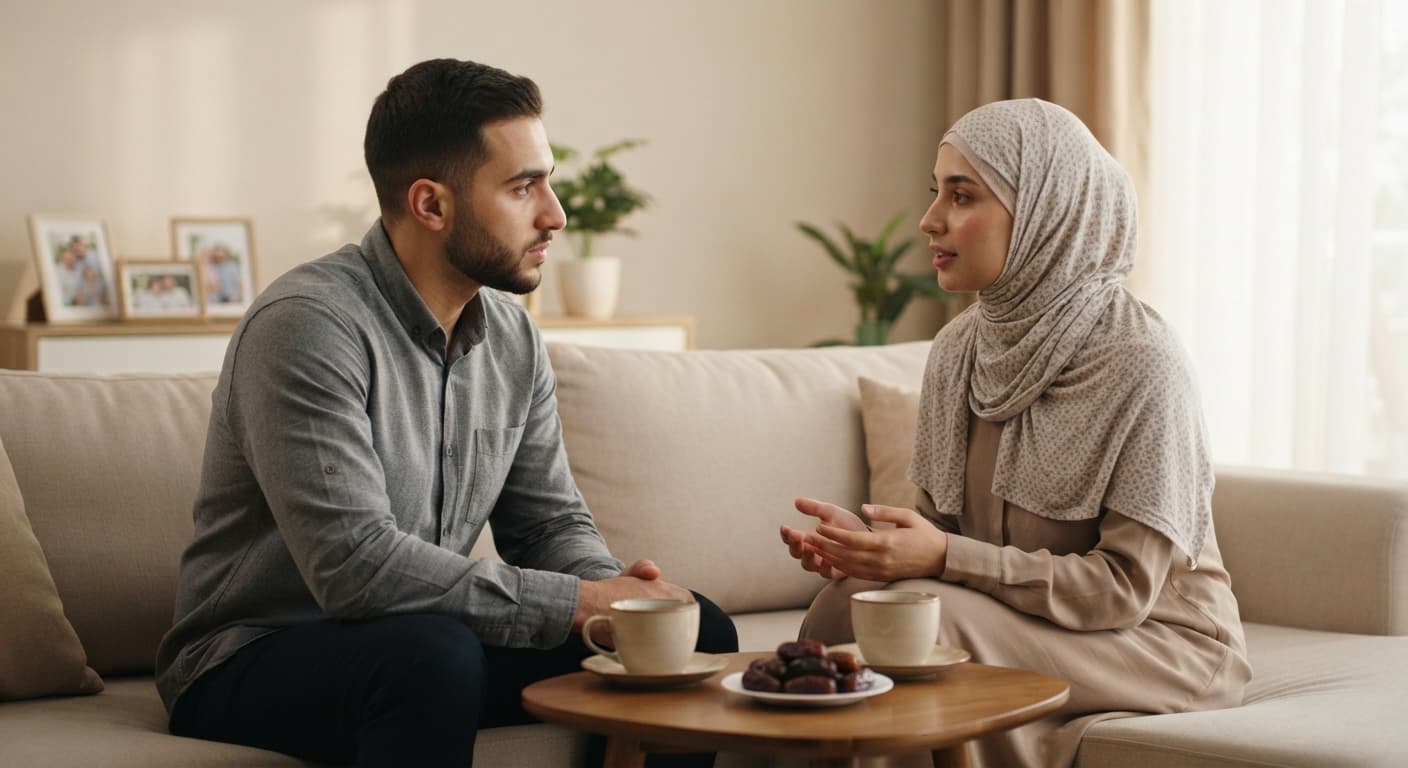
Does Frequent Communication During Islamic Engagement Help a Marriage Succeed?
An engaged couple exchange messages from morning until nearly midnight, every single day. Both are genuinely exhausted, but both fear stopping, worried any delay in replying will be read as coldness or waning interest. Is this intense communication actually a good sign?

How Do You Know Your Islamic Engagement Is Going Well?
After the engagement is announced, a woman notices her fiancé's enthusiasm fading, as if the matter is settled. She wonders: is this normal after formal commitment, or a sign worth watching?
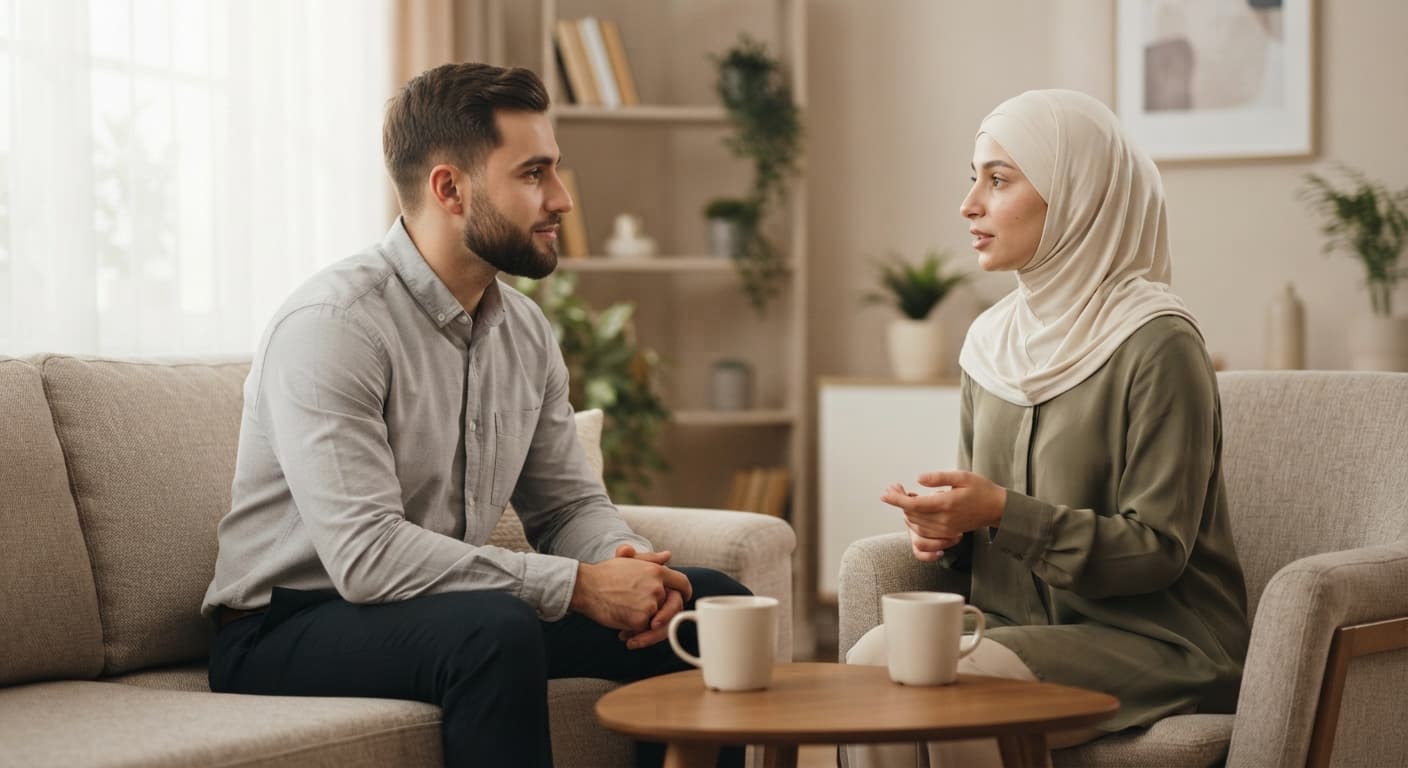
The Most Important Things to Discuss During Your Islamic Engagement
An engaged couple has already set their wedding date and is gradually buying things for their new home, when a relative casually asks: so where exactly will you two be living? They exchange a silent look, because this simple question had never actually been seriously discussed between them.
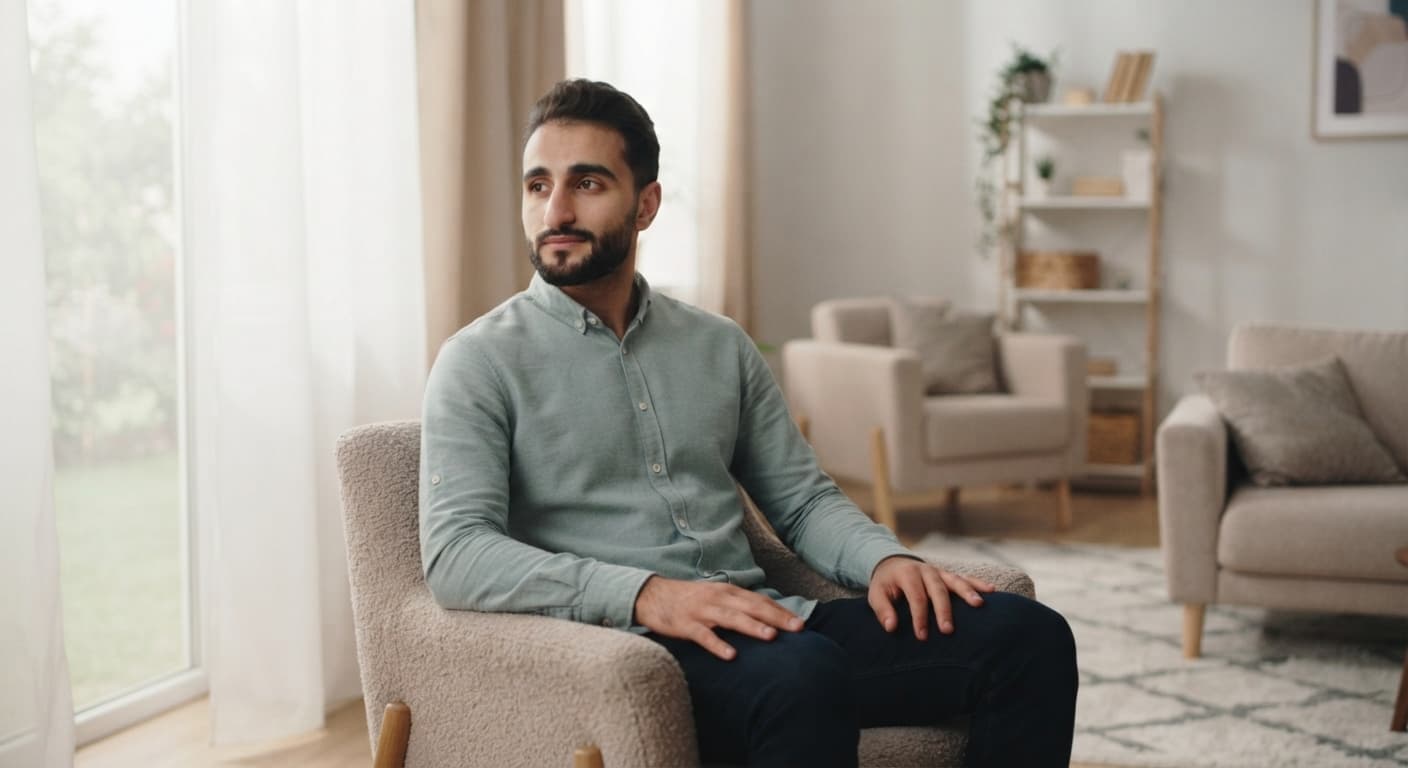
How Do You Deal With Rejection After the Islamic Viewing?
A man leaves the Islamic viewing meeting feeling genuinely good about it, and starts seriously thinking about the next step. Just three days later, the intermediary calls to politely say: "unfortunately, she's declining." No reason, no details, just a brief apology that ends everything suddenly.
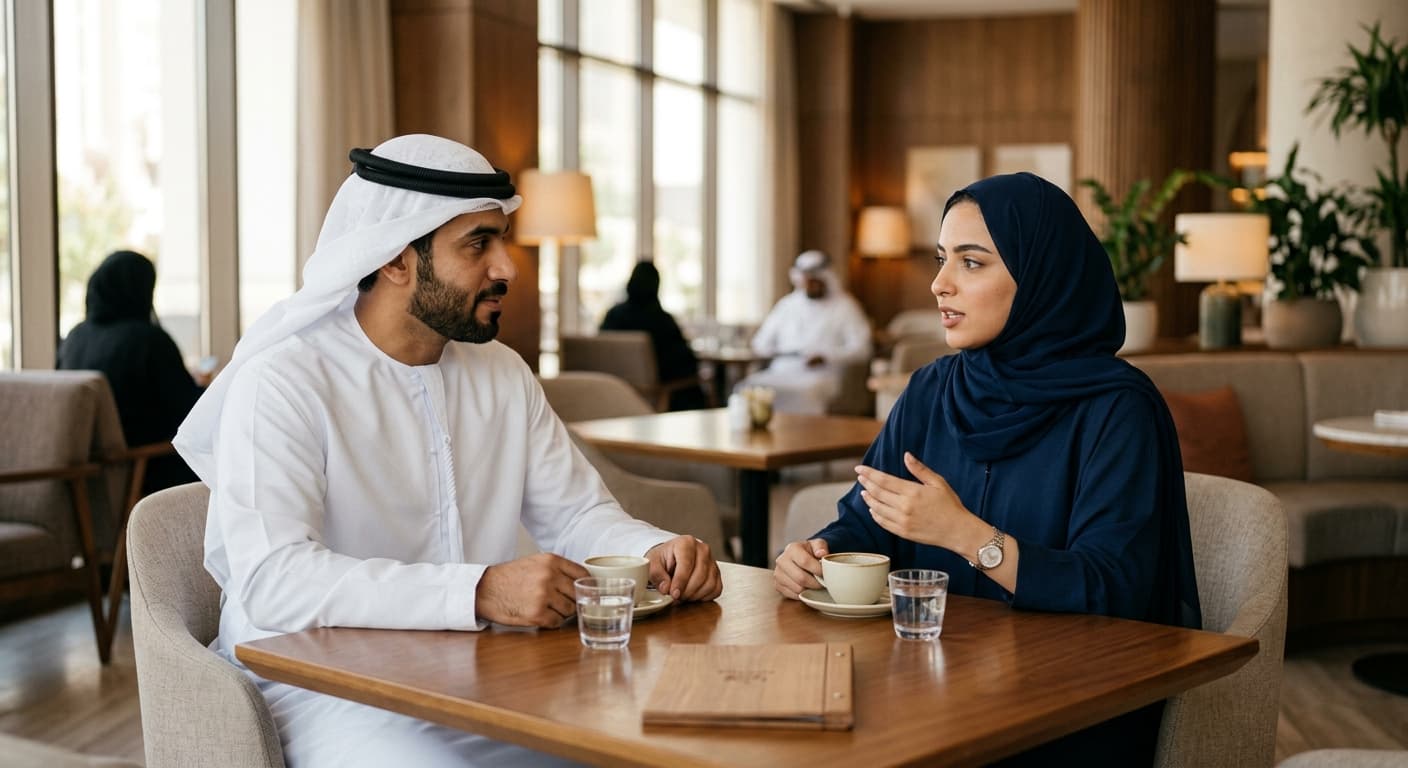
The Most Important Questions to Ask During the Islamic Viewing and First Meeting
A woman spends the night before her first formal marriage meeting preparing a list of questions: his hobbies, favorite food, his opinion on travel. Afterward, her sister asks: so did you actually learn anything that helps you decide? She goes quiet, because the honest answer was no.

What Is the Islamic Viewing (Ru'ya Shar'iyyah) and What Is Its Purpose?
A young man agrees to propose to a woman he's only seen in a photo. His friend asks: "did you do the Islamic viewing?" He hesitates: "I saw her photo, isn't that enough?" A common confusion about ru'ya shar'iyyah.
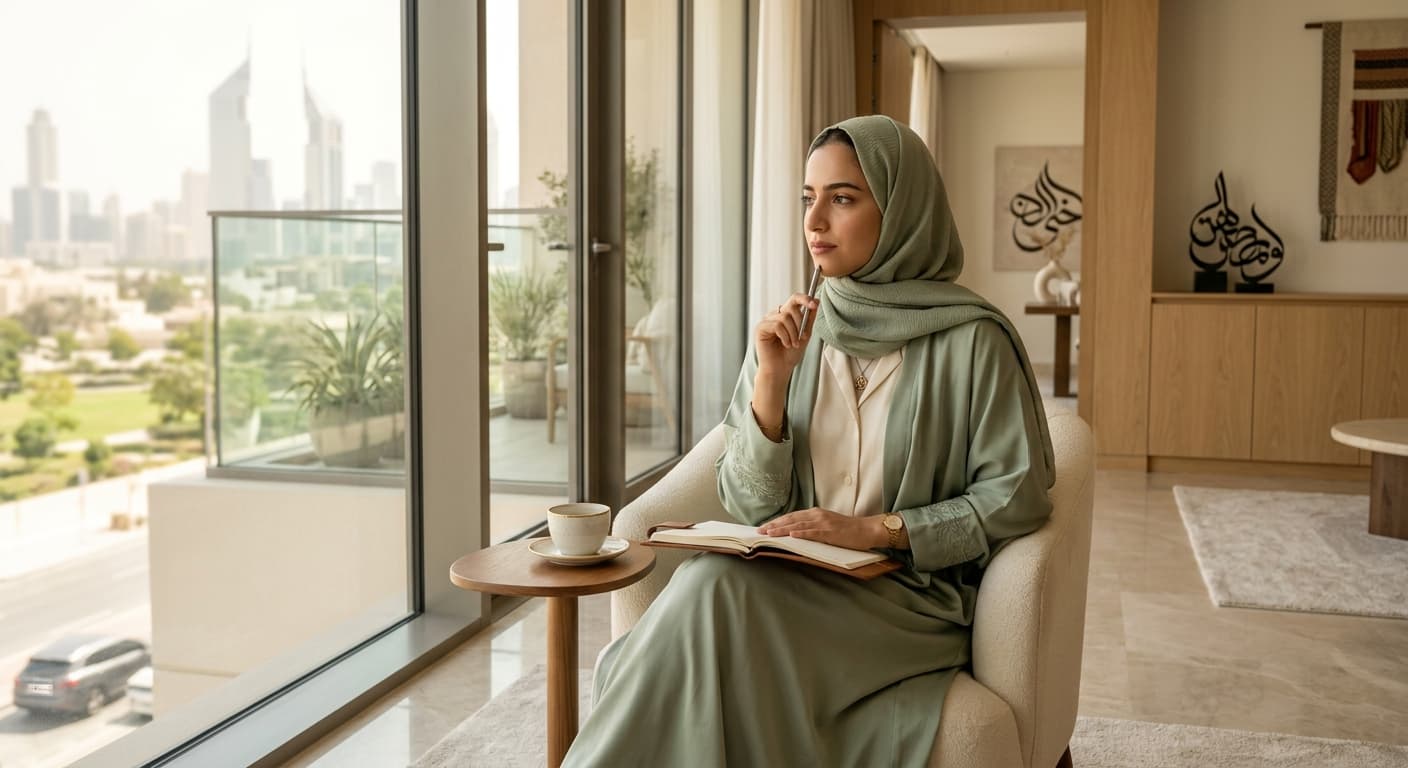
Handling Anxiety Before Marriage: Between Istikhara, Seeking Advice, and Patience
The night before deciding on marriage is rarely as calm as you imagined it would be. The anxiety that shows up isn't a warning sign — it's a normal part of the decision, if you know how to handle it.
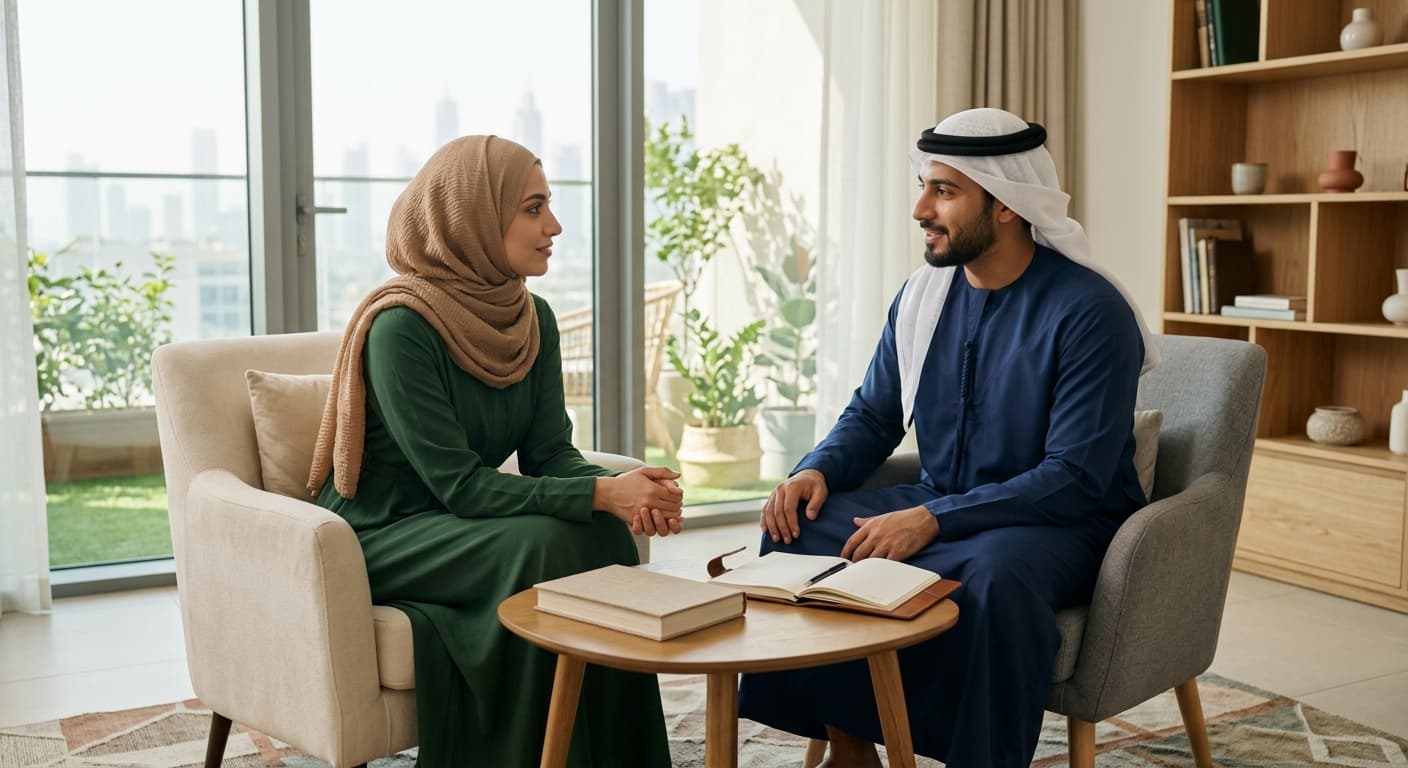
Spousal Rights in Islam: What Every Soon-to-Be Married Person Should Know
"What are my actual rights?" is a question a lot of people ask after their first real marital disagreement, when it should have been asked before the contract, not after. Here's the answer worth knowing from the start.
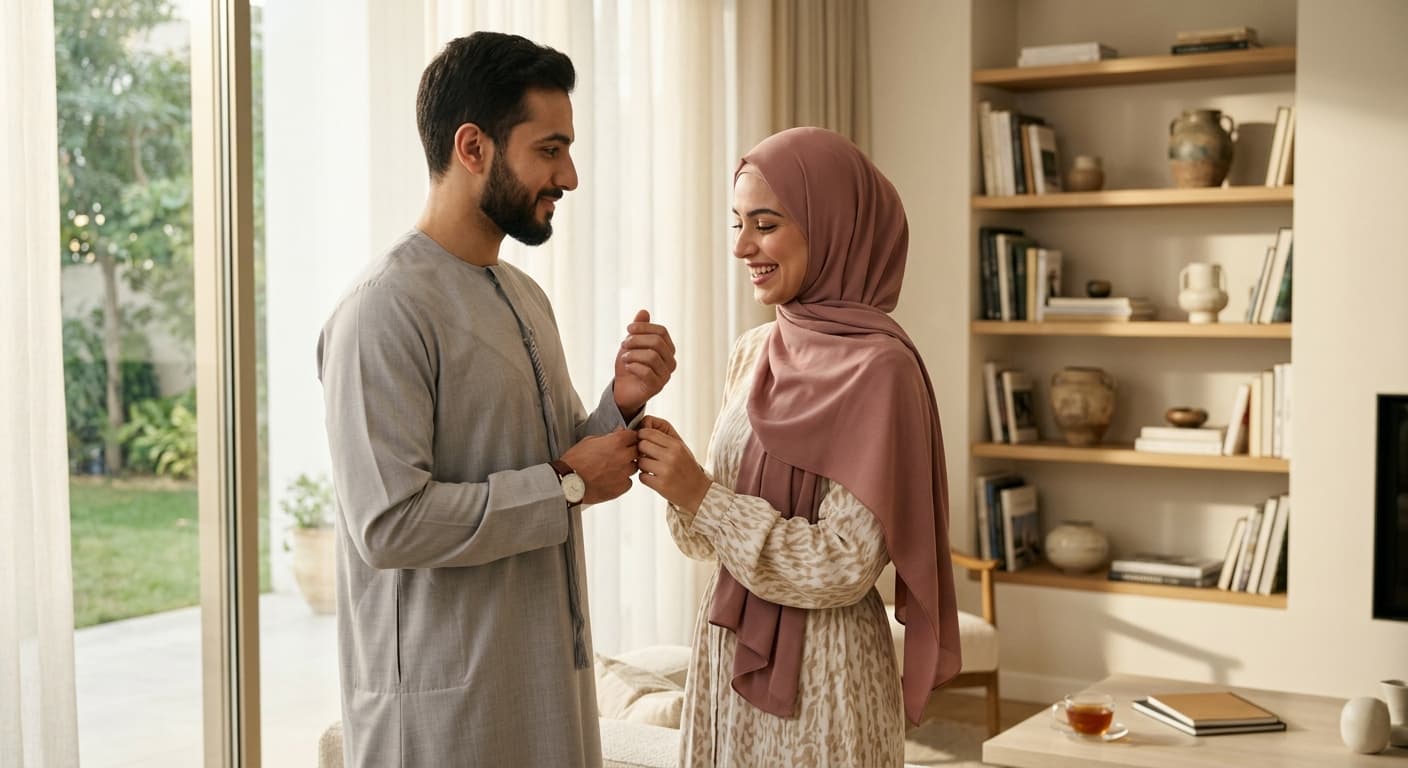
The Qualities of a Righteous Spouse in Islam
You already have your checklist for a life partner — looks, career, social standing. But there's one criterion Islam places ahead of all of it, and ignoring it is exactly what explains a lot of marriages that started with infatuation and ended in regret.
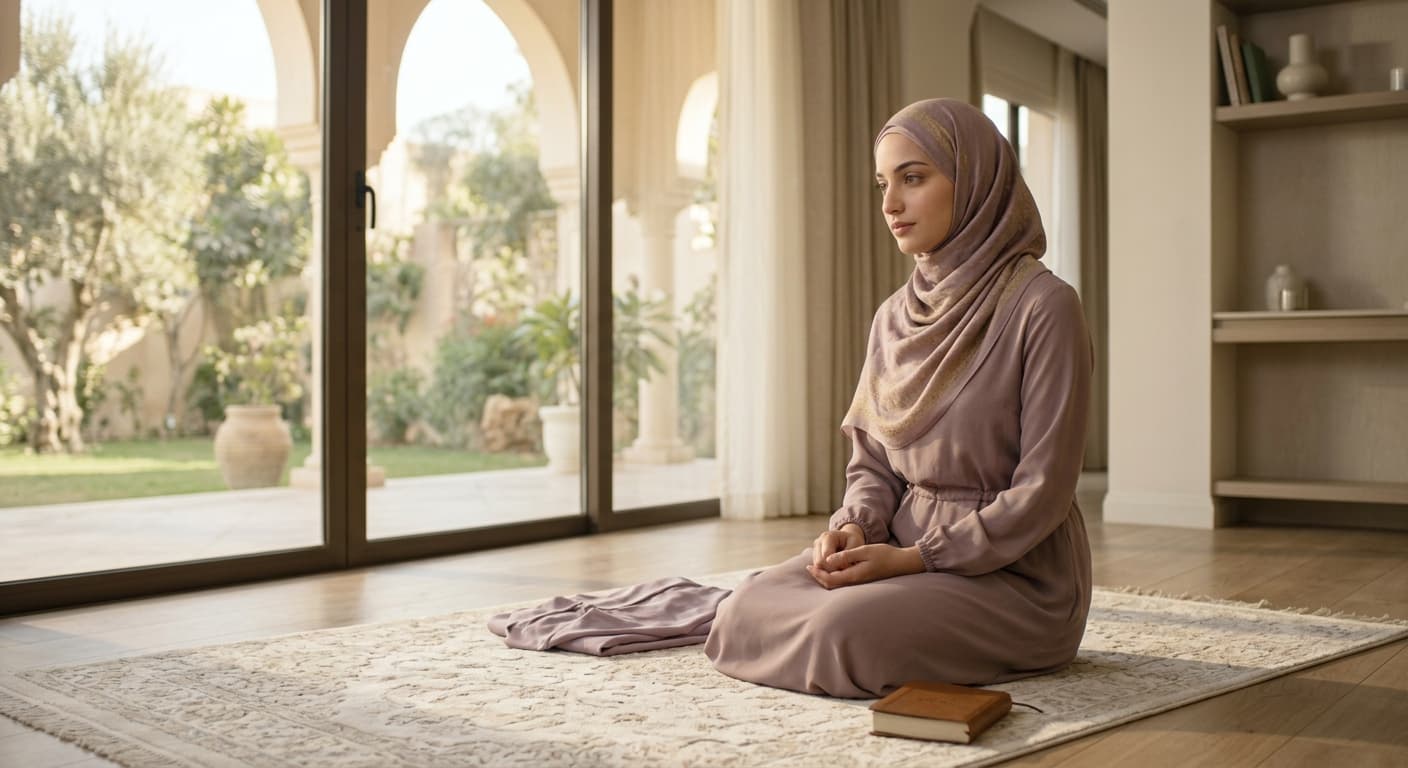
Istikhara Before Marriage: How to Seek Allah's Guidance in Choosing a Spouse
You prayed istikhara, and nothing obvious happened — no dream, no sudden feeling of ease or rejection. Does that mean it didn't work? The answer is simpler and deeper than you'd think.
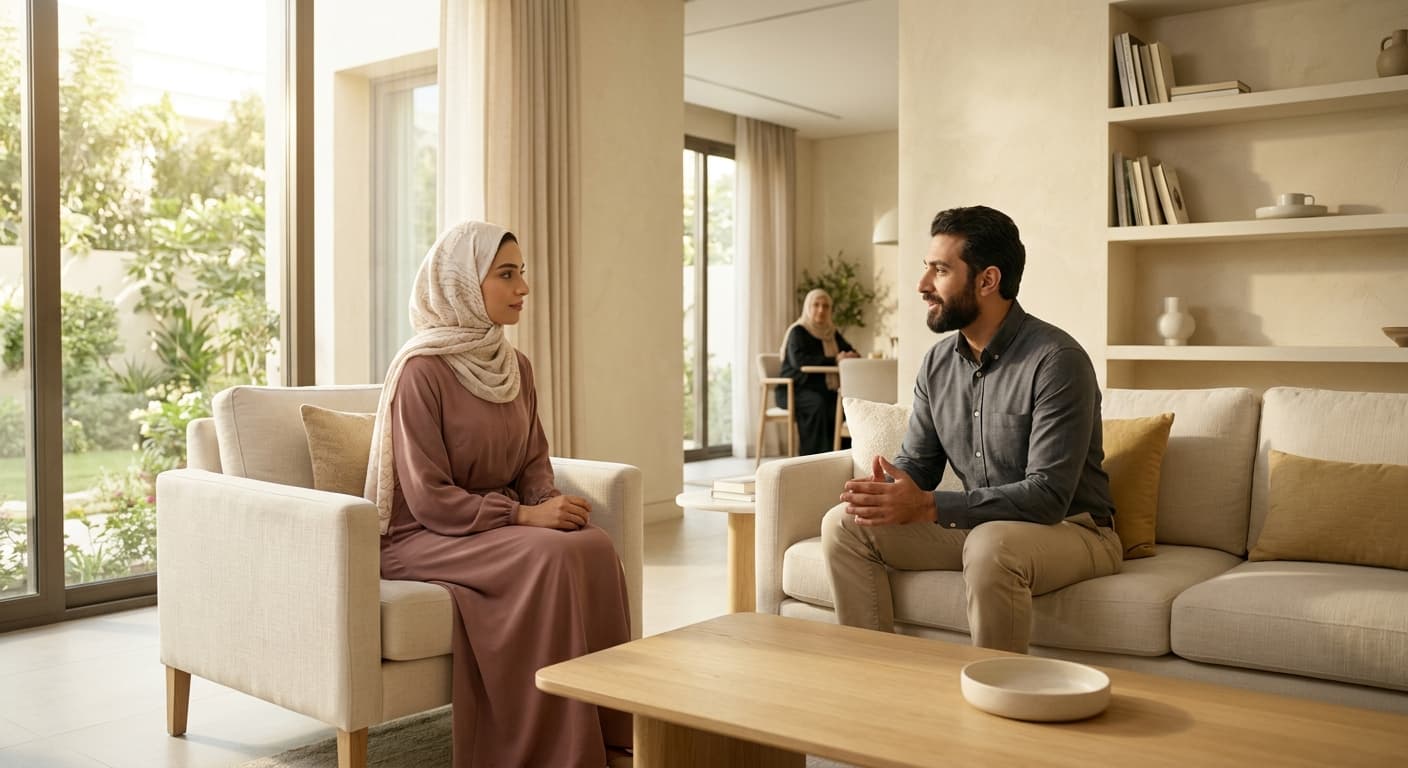
Sharia-Compliant Rules for the Talking Stage Before Marriage
You've started talking to someone you're seriously considering marrying, and you're wondering if you're doing it right. Here's a clear framework that puts your mind at ease without cutting off real getting-to-know-you.
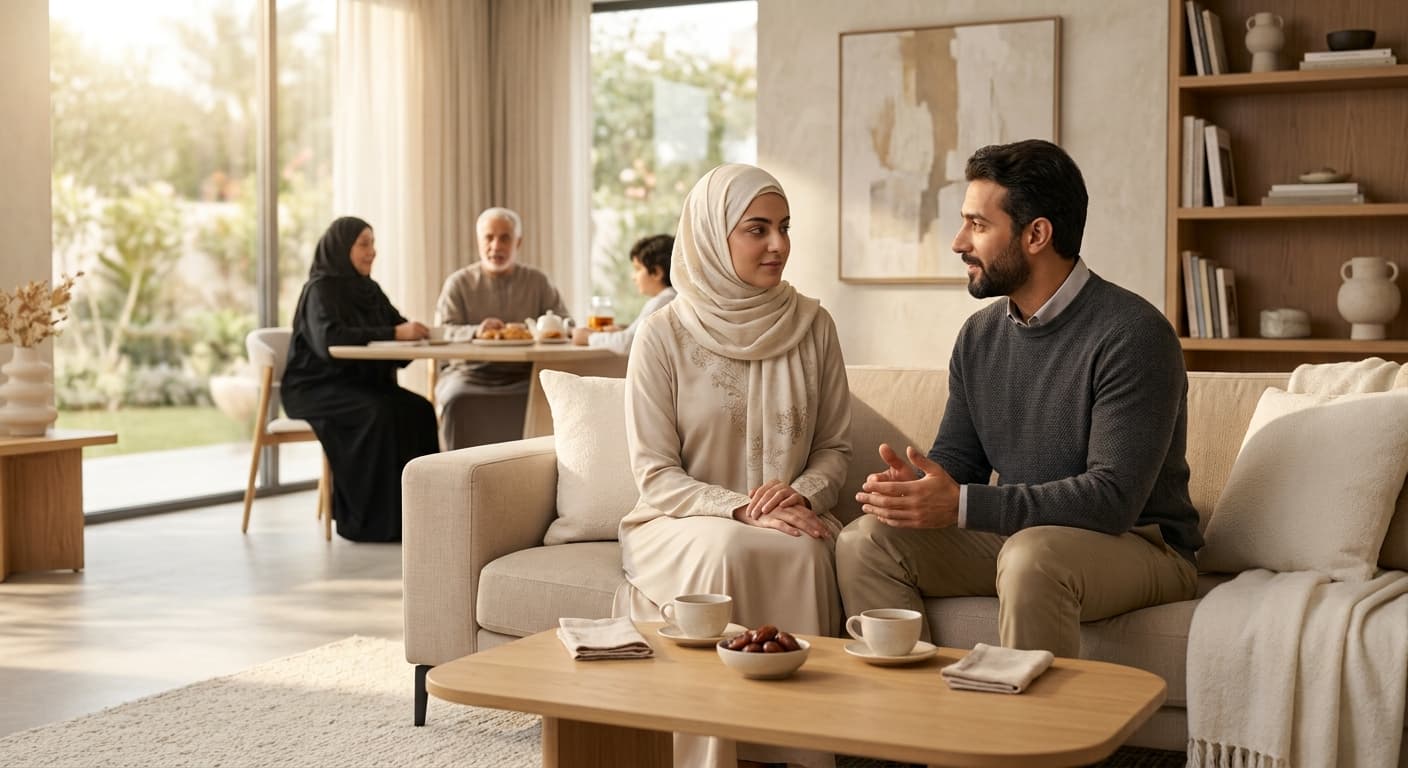
The Islamic Etiquette of Engagement
The moment you get engaged, everyone starts treating you like the marriage already happened. But there's still a contract that hasn't been written yet, and that changes everything about how you navigate this stage.