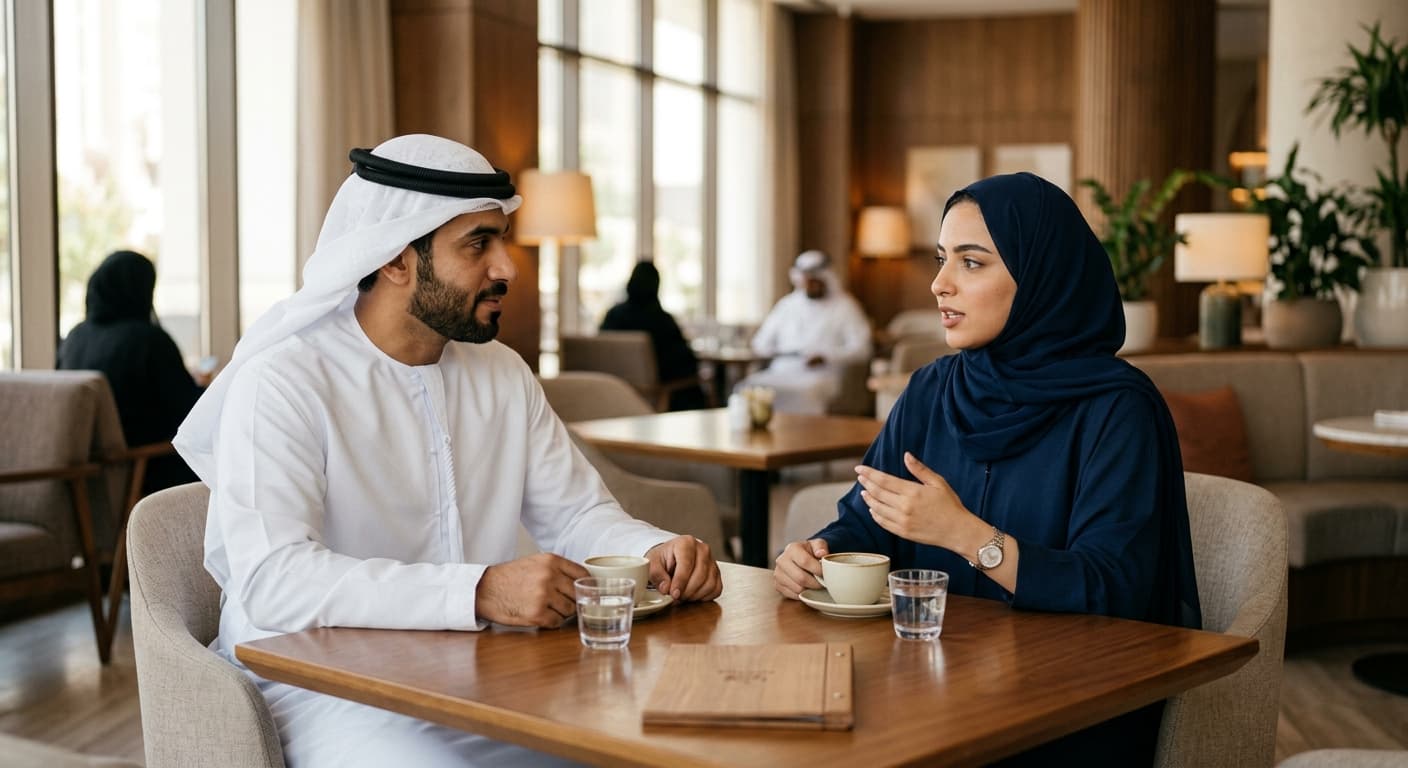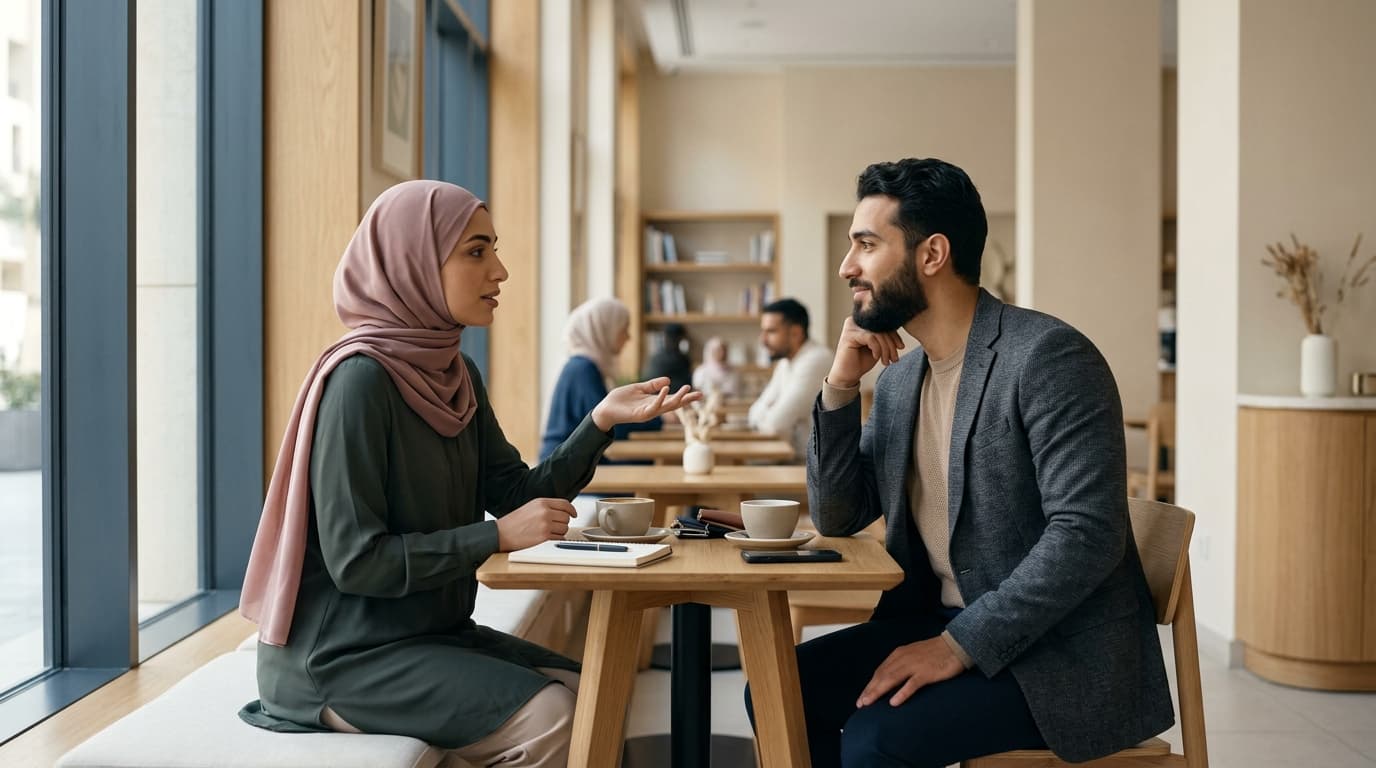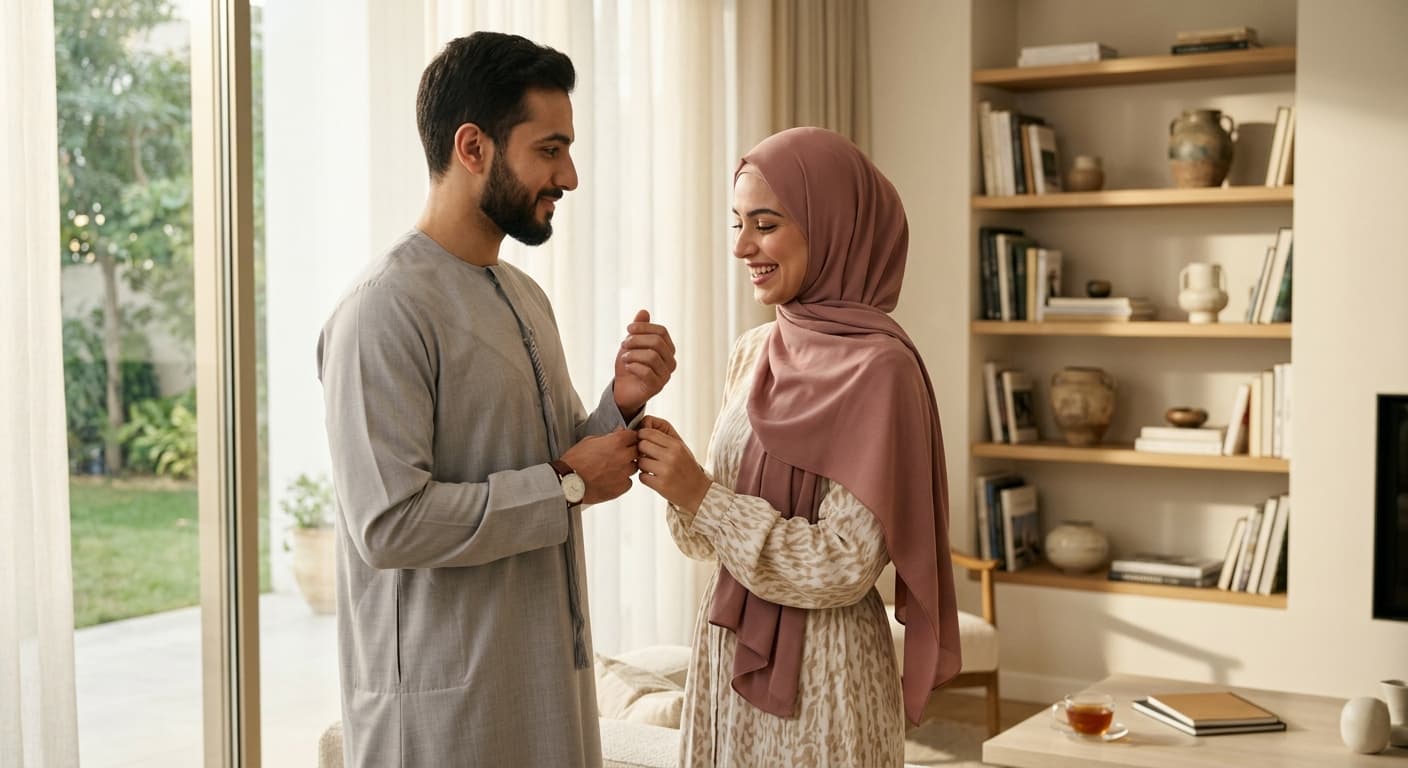
You probably already have a mental checklist for what you want in a life partner: a certain education level, a stable career, looks that suit your taste, maybe even a specific social standing. None of these criteria are wrong on their own, but they're not enough by themselves, and there's a clear reason why: every one of them can change, or might just be a first impression that hasn't been tested in real situations yet.
Islam places another criterion alongside these practical ones — one often treated as a "religious extra" rather than a genuine foundation, even though it's actually more connected to a marriage's long-term success than anything else on your list.
Why religious commitment specifically, and not some other quality?
The idea isn't that religious commitment alone guarantees a successful marriage — it's that it's often a genuine indicator of other qualities you actually need in a spouse: honesty, because someone who's conscious of Allah in private doesn't need external supervision to act truthfully. Responsibility, because real commitment means an awareness of accountability for one's actions. And good character, because the essence of any genuine faith is refining behavior, not just performing rituals.
This doesn't mean every religiously committed person is automatically honest and responsible without exception, nor that everyone who doesn't appear that way on the surface lacks these qualities. But it does mean genuine religious commitment, when it's sincere rather than performative, is a strong cumulative signal worth placing at the front of your criteria, not the back.
What about looks and first impressions?
Here's where a lot of people go wrong: they measure a potential spouse by the "first meeting" standard — how they looked, how they spoke, whether they left a good impression. Appearance and first impressions aren't worthless, but they reveal nothing about real character, which only shows up over time and specifically in difficult moments: how do they act when angry? How do they treat people they don't need anything from? Do they keep their small promises before the big ones?
Islam directs attention specifically toward this deeper side, precisely because it's the most stable over the long run, while appearance and first impressions can change, or turn out to have been misleading all along.
What about the ability to take on responsibility?
For a husband specifically, the Islamic view points toward the importance of being able to shoulder a family's responsibility — not necessarily wealth or a specific income level, but seriousness and psychological readiness to take on that role. This is a distinction that gets confused often: someone with modest income but genuine seriousness and responsibility can be a far better choice than someone financially comfortable but not psychologically ready to take on marriage's commitments.
Does this mean ignoring personal compatibility entirely?
Of course not, and that's a common misunderstanding. Religious and moral qualities are a necessary foundation, but they don't replace real personal compatibility — in how you think, communicate, and what you expect from a shared life. Our article on how to choose the right life partner covers that practical side in more detail, and this one complements it from the religious angle specifically, rather than replacing it. Both together, not either alone, build a sturdy foundation for a successful marriage.
In the end
When you go back over your mental checklist for a life partner, don't cross out the practical criteria — but add, near the top rather than the margins, a deeper question: is this person honest with themselves and with Allah even when no one's watching? That question, more than any other criterion, is what explains why some marriages start with quick infatuation and then collapse, while others start with real modesty and go on to last for decades.
Further reading
Put your standards in a real profile
Create your free account in the browser and let matching work on your criteria, not on photos.