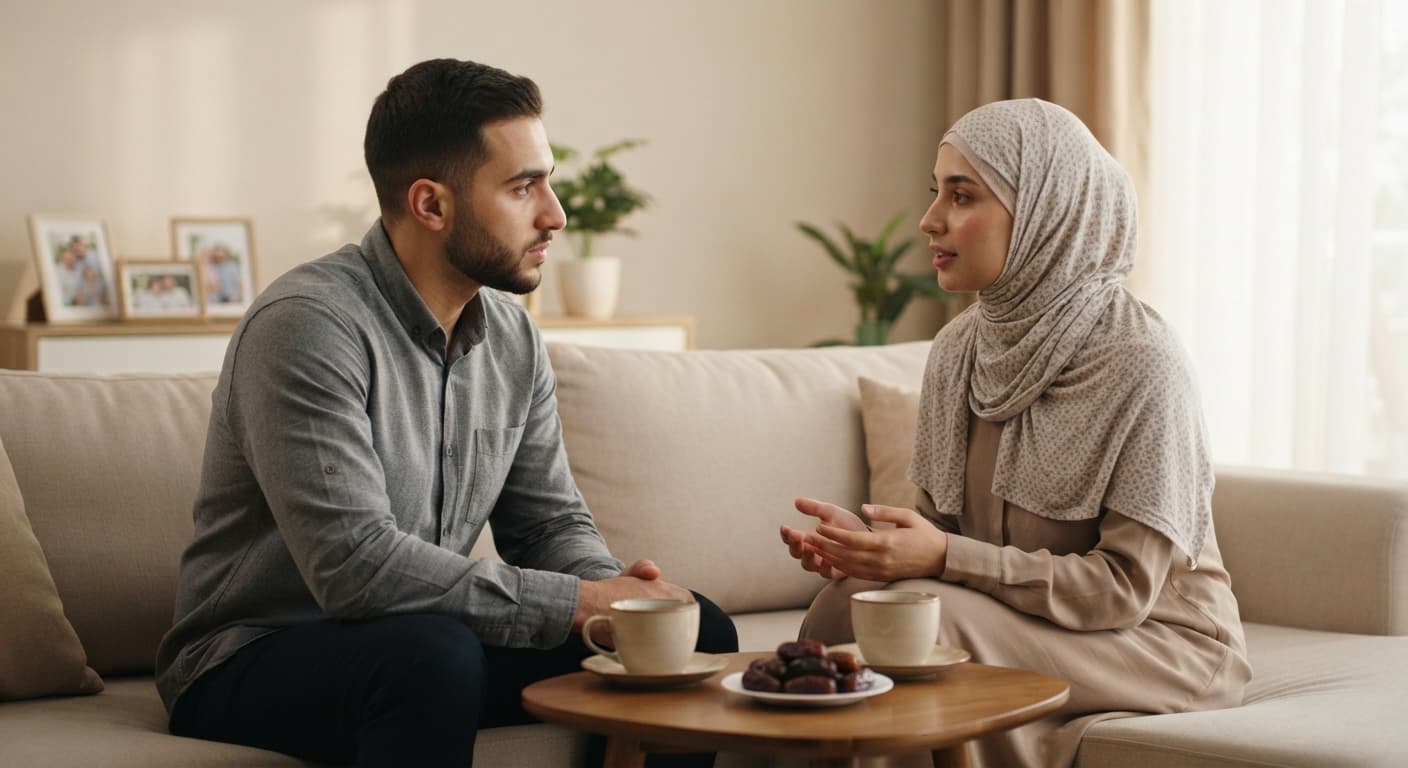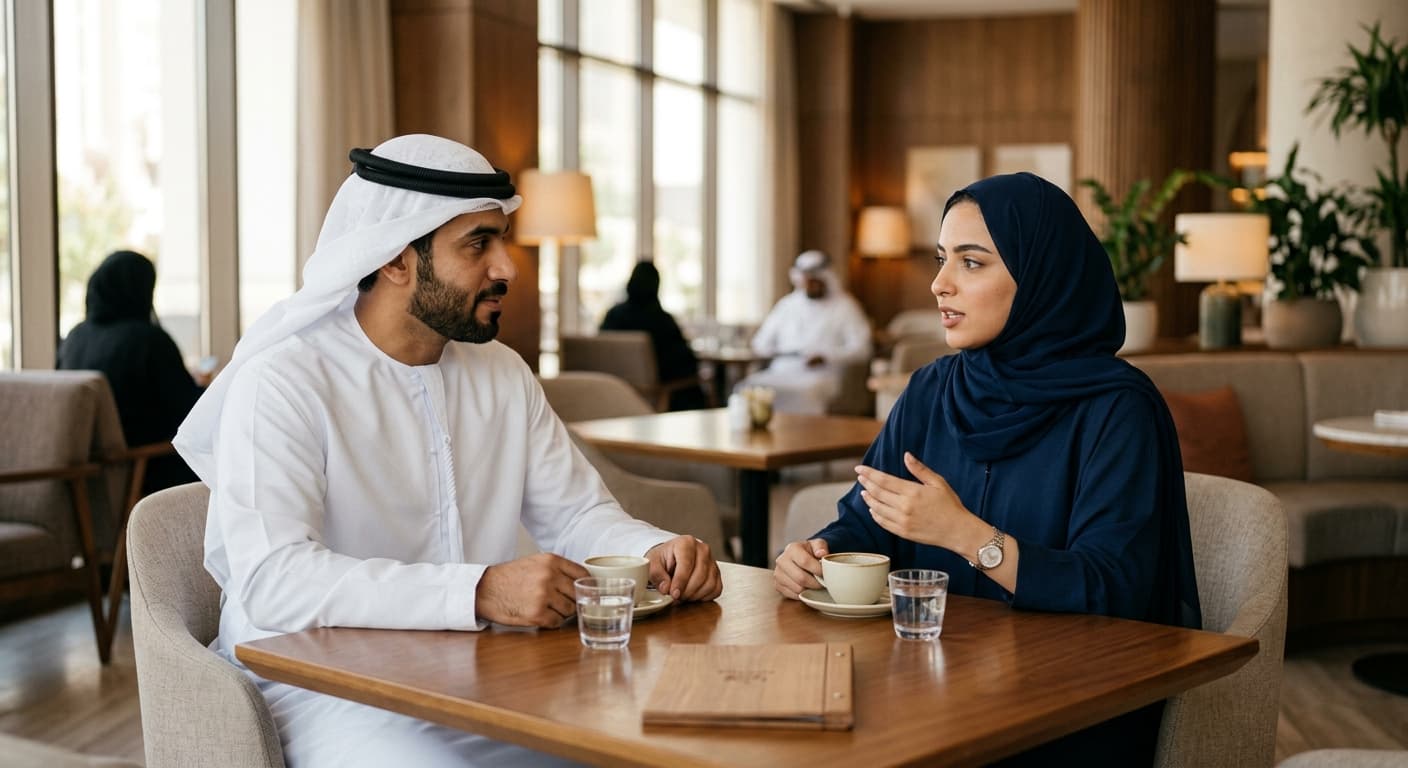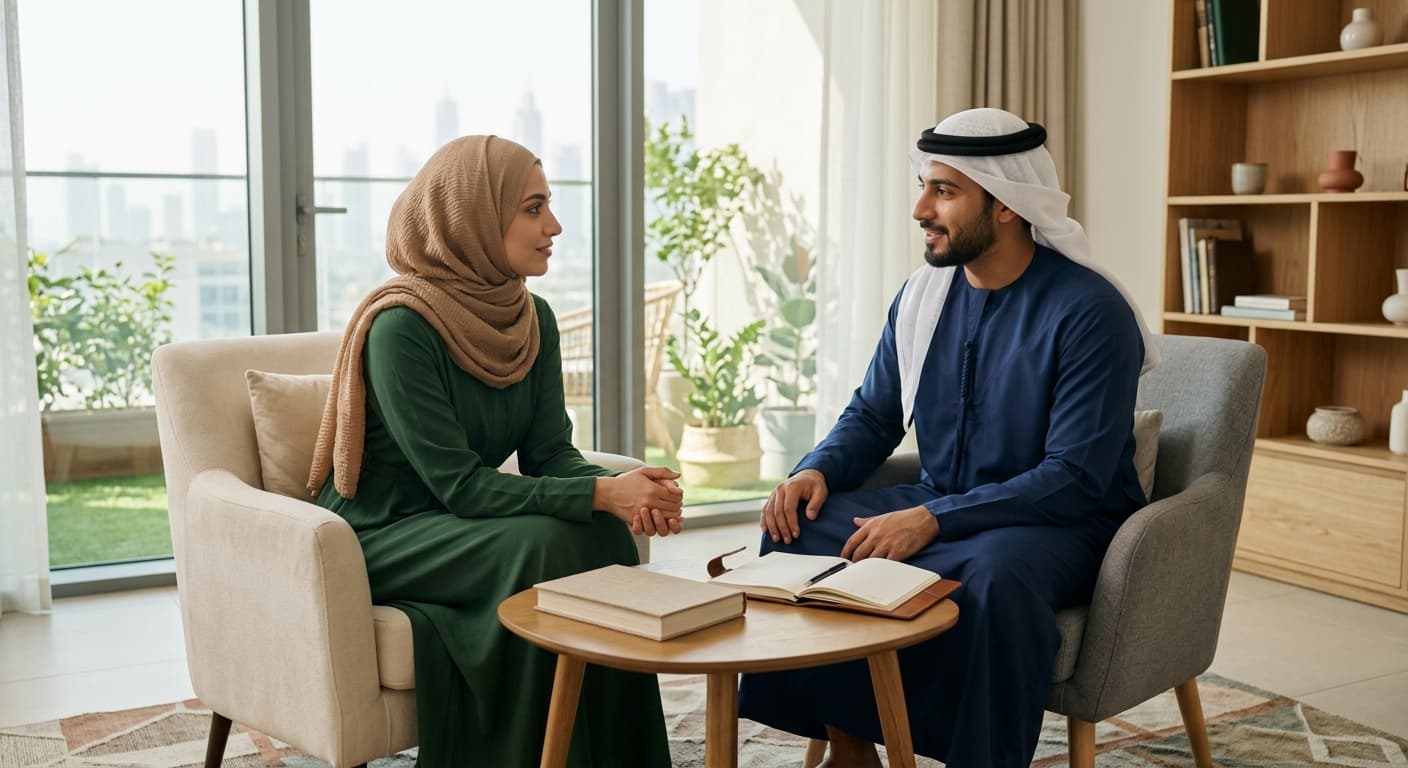
This happens in a lot of homes: a small disagreement escalates, and one spouse says heatedly, "I have a right to this!" while the other fires back with the same intensity, "No, I have a right to that!" The irony is that neither of them usually knows the actual details of what they're claiming — they're using the word "right" as a weapon in a heated moment, not real knowledge built on a clear understanding of what actually governs this relationship.
If both spouses knew, before marriage rather than after, the mutual rights Islam establishes between them, the shape of a lot of these disagreements would change completely — not because they'd disappear, but because they'd be built on clear ground instead of clashing impressions.
Starting from an important point: rights are mutual, not one-directional
The common, and usually mistaken, understanding is that talking about "a wife's rights" means the husband only has duties, while the wife is the one with rights. The truth is that Islam structures the marital relationship around fully mutual rights and duties, aimed at building a fair relationship — not one where one side benefits at the other's expense.
So what does each spouse actually deserve?
A wife has the right to financial support from her husband — housing, food, and basic needs, according to his means — and this right is hers regardless of her own personal financial situation. And each spouse has a right over the other to good treatment: respect, gentleness, and freedom from harm in word or deed — a right that's fully mutual, not limited to one side as many assume.
There's also a right that comes up less in everyday conversation but matters just as much: each spouse's right to maintain their relationship with their own family, without the other unjustly preventing it. Cutting that tie without legitimate reason isn't part of the good companionship Islam calls for, no matter how "reasonable" the justification sounds to whoever's imposing it.
What about shared decisions?
Even though some decisions may naturally fall primarily to one spouse given their nature, mutual consultation on family matters is a value Islamic guidance clearly calls for — not an optional social courtesy. A marriage where one person makes every major decision alone, without genuinely consulting the other, drifts from this principle even if there's no visible conflict over it.
Why does this conversation matter now specifically, before marriage?
Because most people discover these rights in the middle of a disagreement, not in a calm moment of clear thinking. When you know these rights in advance, you enter marriage with realistic expectations instead of ones shaped by your own family's habits or what you've seen in relationships around you — which significantly reduces disagreements caused by vague expectations that were never actually agreed upon.
A shared responsibility both spouses sometimes overlook
One right mentioned less often than others: the responsibility of raising children and guiding them religiously and morally is shared between spouses — it doesn't fall on one person simply because they spend more time with the kids, or because the other is "busy." When this understanding is missing, one parent gradually becomes the only one responsible, while the other quietly steps back without realizing they're stepping back from a shared right and duty to begin with.
In the end
Next time either of you says "I have a right to this," it's far better for that to come from real knowledge, not a heated moment. Spousal rights in Islam are inherently mutual and balanced, and knowing them and committing to them on both sides is what builds a fair relationship that protects everyone's rights, without either side's interests overriding the other's — and that knowledge, if it comes before the first disagreement rather than after, changes the shape of the whole marriage.
Further reading
Put your standards in a real profile
Create your free account in the browser and let matching work on your criteria, not on photos.