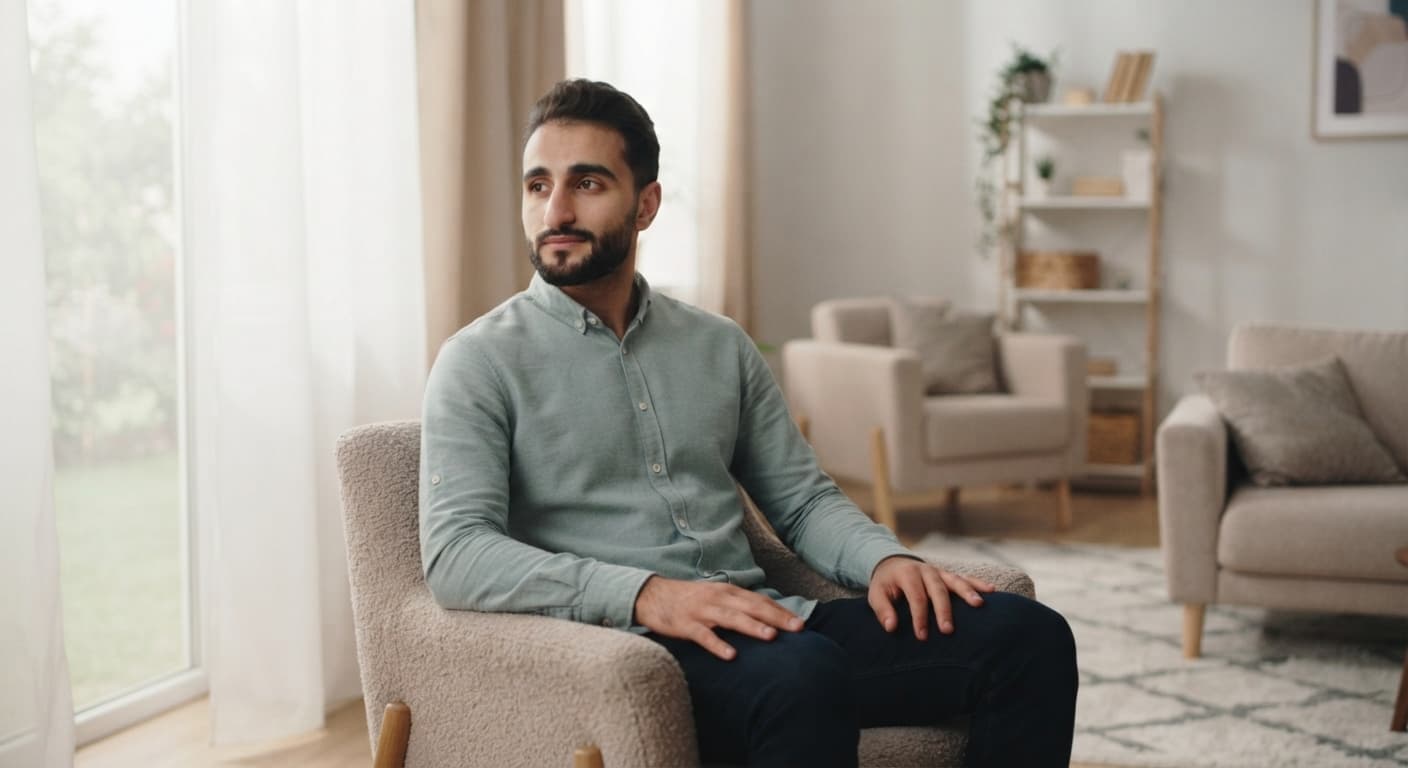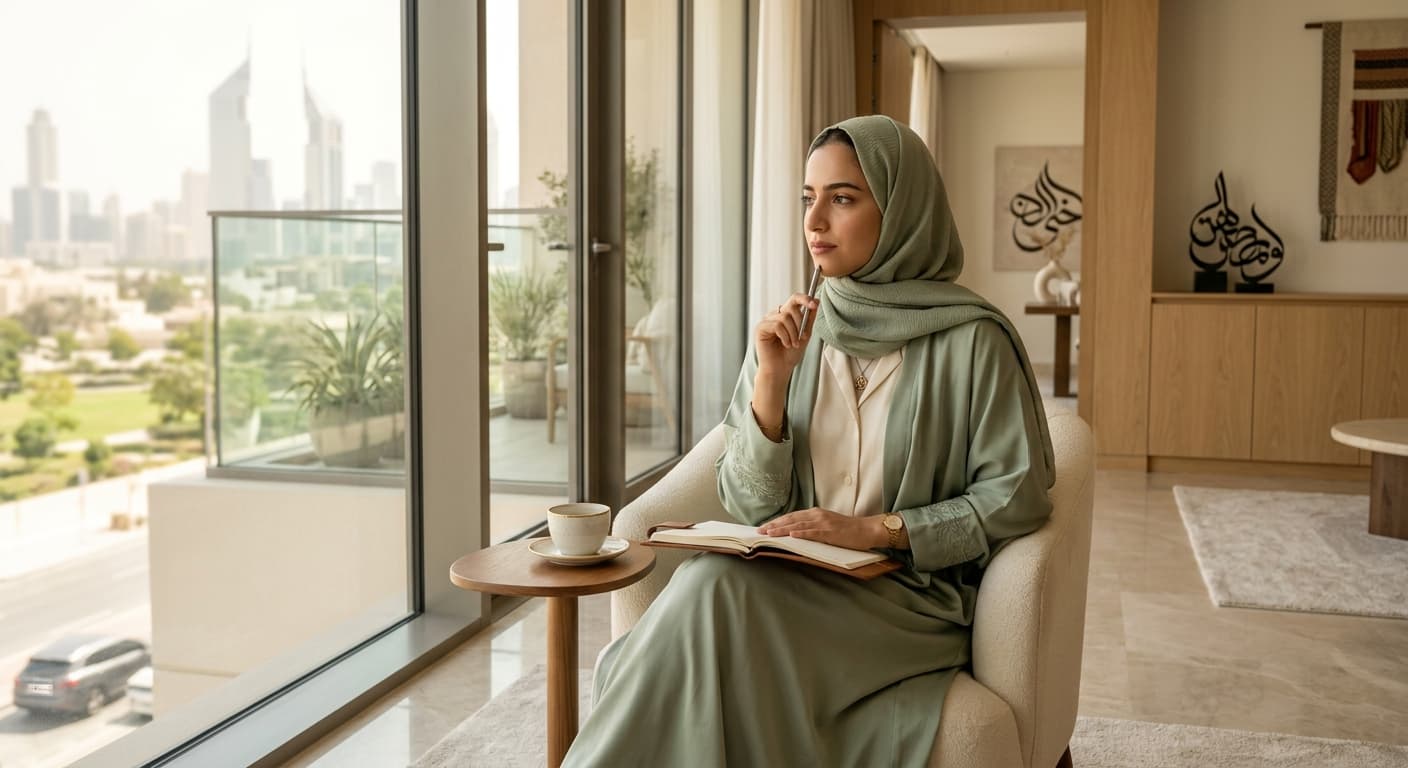
You imagined the night before your final decision about marriage would be full of certainty and calm, especially since you chose this person out of genuine conviction, prayed istikhara, and sought advice from people you trust. Instead, you find yourself lying awake with conflicting thoughts and an anxiety you can't quite name the source of. Does that mean something is wrong with the decision itself?
Most of the time, no. This anxiety is far more common than the people going through it realize, and far more normal too. The problem isn't that it exists — it's misreading it as a "sign" to surrender to immediately, instead of seeing it as an expected part of any major life decision.
Why does this anxiety show up specifically with a decision this size?
Marriage is a radical, sweeping change: in lifestyle, in responsibilities, and in how daily decisions get made now that they concern two people instead of one. Any change of this scale naturally stirs up anxiety in most people, even with complete certainty that the choice itself is right. At its core, this anxiety is fear of "change" itself, not doubt in the person you're choosing.
So how do you tell normal anxiety apart from a real signal worth pausing for?
This is where the most important distinction lies: normal anxiety is general and vague, with no specific cause you can clearly name. A signal actually worth pausing for, on the other hand, is specific: recurring worry over a genuinely different core value that keeps surfacing, a behavior you've noticed more than once that hasn't changed, or a clear, consistent internal feeling about one particular thing — not a general feeling that visits your mind and then fades.
When you honestly ask yourself, "is this anxiety general and vague, or specific and recurring about one particular thing?" — the answer is usually clearer than you expected.
This is where istikhara comes in, but understood correctly
As covered in our guide to istikhara before marriage, istikhara isn't a tool for uncovering the unseen or waiting for a dramatic sign to settle the decision for you. It's a sincere request for guidance that accompanies your thinking and consultation, not a substitute for them. Anyone expecting istikhara alone to erase every bit of normal anxiety that comes with a major decision is expecting more from it than it was ever meant to provide.
And who's actually worth consulting?
Here's another common mistake: asking as many people as possible for their opinion, hoping for more reassurance. The result is usually the opposite — conflicting opinions increase anxiety rather than easing it. The better approach is consulting a very limited number of people whose wisdom, experience, and genuine goodwill toward you, you actually trust — not everyone willing to offer an opinion.
What if the anxiety persists despite all of this?
Give yourself enough time for conscious reflection — that's a completely reasonable thing to want with a decision this size. But notice an important distinction: patience in reaching a conscious decision is one thing, and continuous postponement under the excuse of "not being completely at ease" is something else entirely. At some point, after taking every available step — istikhara, consultation, and honest reflection — moving forward with reasonable confidence, not the absolute certainty you won't find in any major life decision, becomes the healthy, mature step.
In the end
Go back to that night we started with. The anxiety visiting you there isn't necessarily an enemy to silence or a sign to surrender to — it's a normal guest that visits anyone standing before a major decision in their life. Handle it by acknowledging it first, then distinguishing between what's general and what's specific, then honestly combining istikhara, consultation, and conscious patience. That path — not waiting for the anxiety to disappear completely — is what leads you to a decision you genuinely feel settled about, not an artificial certainty.
Put your standards in a real profile
Create your free account in the browser and let matching work on your criteria, not on photos.