The Wanees blog
Calm, structured writing on choosing standards, the Islamic engagement period and preparing for a stable home.
Latest articles

Mistakes to Avoid Before Getting Married
A woman announces her engagement just three weeks after meeting someone. When her friend voices concern, she confidently replies: "when it's right, you just know." Six months into the marriage, she realizes she never once asked him things that would have changed her decision had she asked.
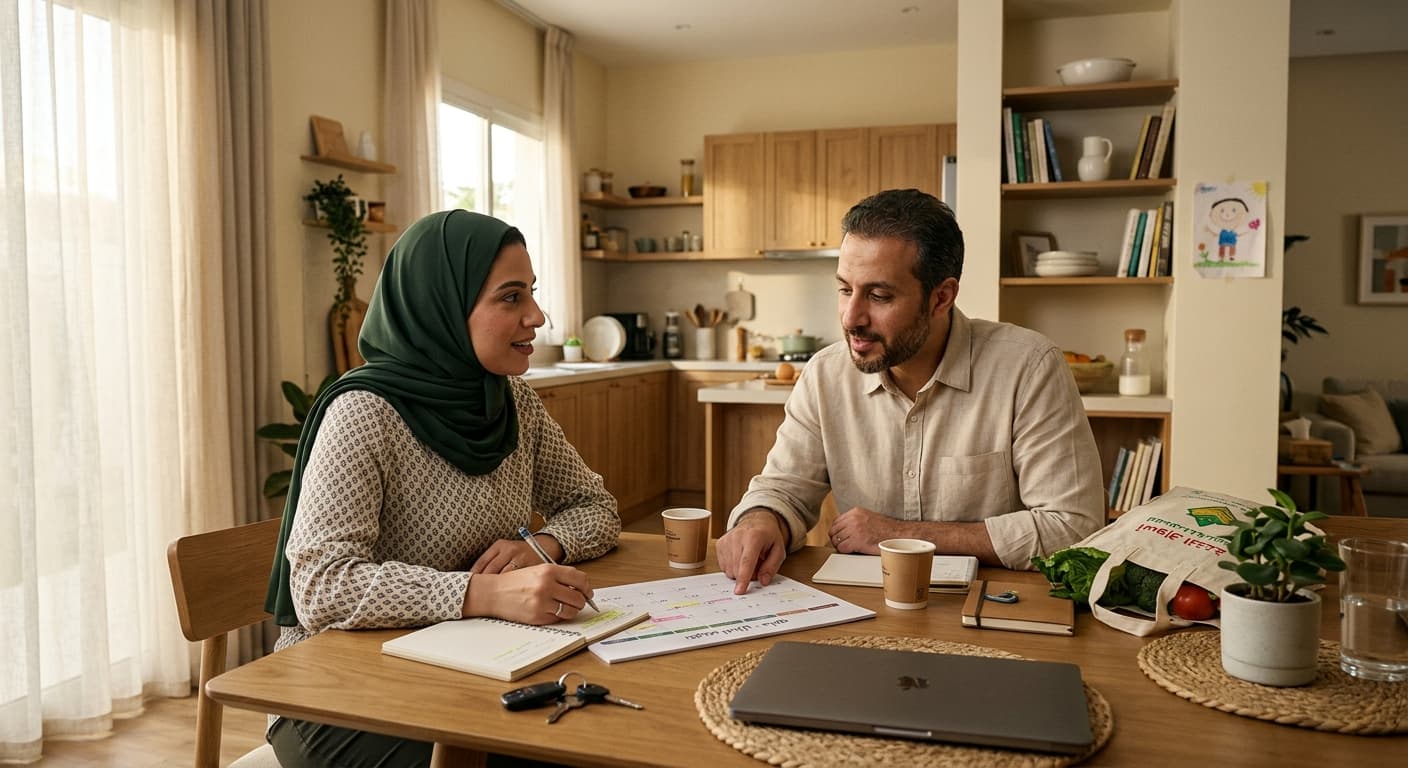
The Importance of Honesty Between Partners Before Marriage
Three months into her marriage, a wife discovers her husband has been paying off an old debt he never once mentioned before the contract. The debt itself isn't large, but the real shock comes down to one question: why did he hide it?

Financial Readiness for Marriage
A young man postpones his engagement for two full years, waiting for a higher salary and a fully furnished apartment, while his colleague marries on a much smaller income and builds stability gradually after the wedding, not before it. So what does financial readiness actually mean?
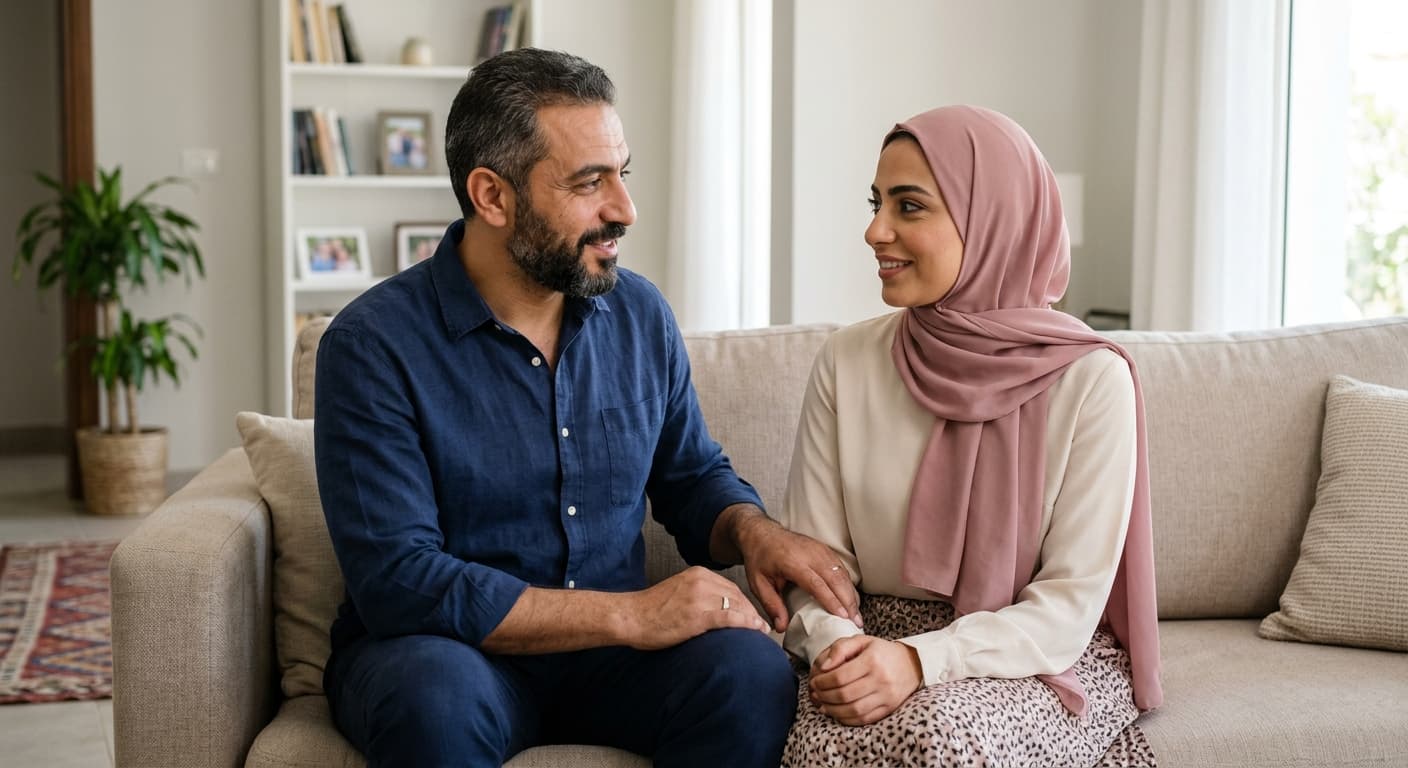
Does the Age Gap Between Spouses Affect Marriage Success?
There's a ten-year gap between them. Her family is uneasy, his friends joke about it, and she genuinely asks her friend: is this age gap actually going to be a problem, or am I blowing something ordinary out of proportion?
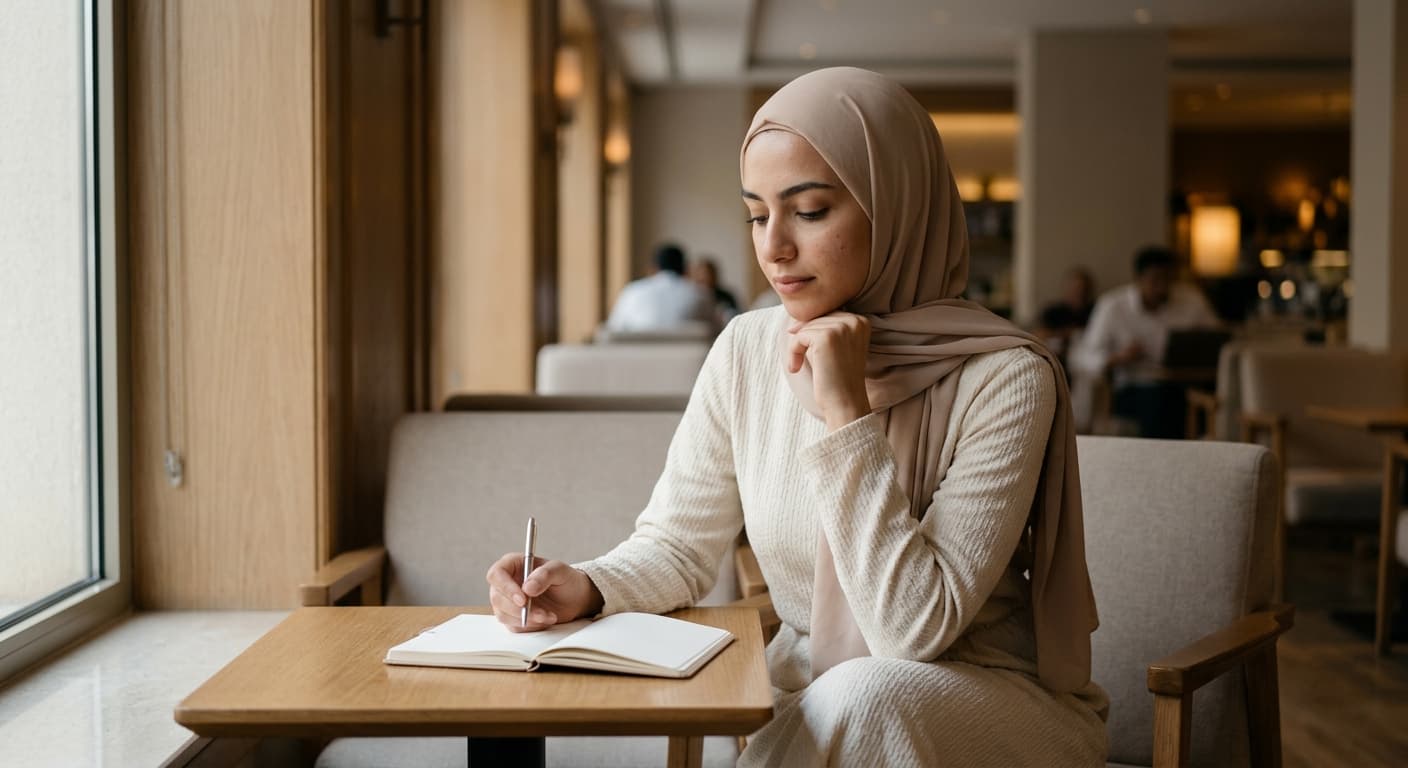
Things You Need to Know and Agree On Before Marriage
Two months into the engagement, she suddenly asks: will we live with your family or on our own? "With my family, obviously," he answers without thinking. She realizes that was never obviously the plan for her, and neither of them had asked the question out loud until now.

Criteria for Choosing the Right Wife
A young man scrolls through the notes on his phone: religious, attractive, comes from a good family. It reads like a full list, but it's just general wishes that don't distinguish one candidate from another. What's missing to turn this into real, decision-ready criteria?
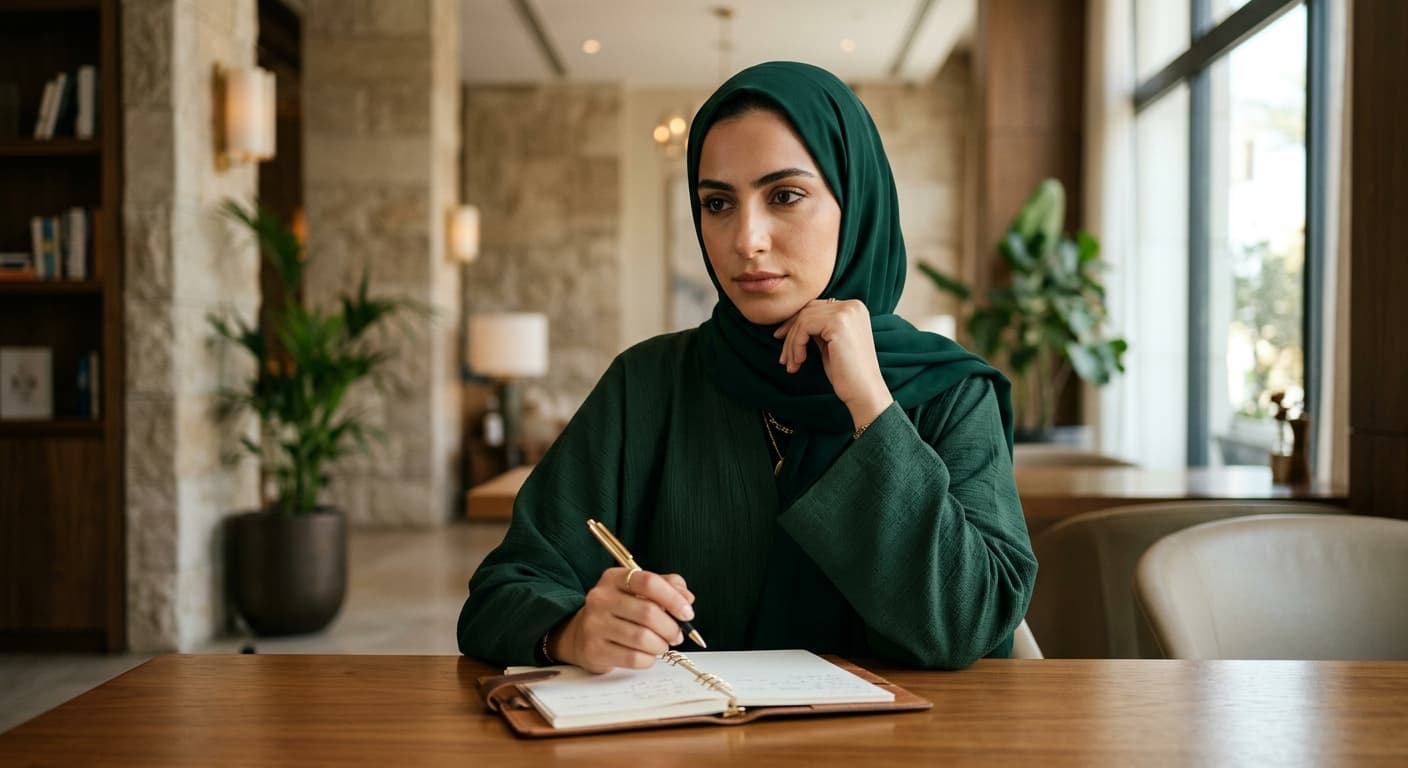
Criteria for Choosing the Right Husband
A mother asks her daughter: what are your standards for a husband? "Kind, religious, has a good job," she says. It sounds reasonable, but it isn't a usable standard. When a real decision about a specific person arrives, she finds out these were never criteria — just vague impressions.
Psychological Readiness for Marriage
Her job is stable, her family approves, and the man she's getting to know checks every box on paper. But she notices she creates a problem or manufactures distance every time the relationship gets close to serious. Everything external is ready — except her.
Signs You're Not Ready for Marriage Yet
He met five different women over two years, and got close to a decision with each one before finding a reason to back out at the last minute. He tells his friends he genuinely wants to get married, but his repeated pattern says something else entirely.

How Do You Know You're Ready for Marriage?
Almost all his friends are married now, and his family keeps asking: what about you? He feels the pressure, but pauses before reacting: am I actually ready, or just afraid of being left behind?
How Do You Tell the Difference Between Attraction and Real Compatibility?
Ten minutes into the meeting, she felt like this was the one. Easy conversation, shared laughs, instant chemistry. But her friend warned her: that's attraction, not necessarily compatibility. So what's the real difference?

Does Financial Standing Matter When Choosing a Life Partner?
The first question some families ask about any marriage candidate isn't about his faith or character — it's about his job and salary. Is that excessive materialism, or is ignoring this side entirely a naivety you pay for later?