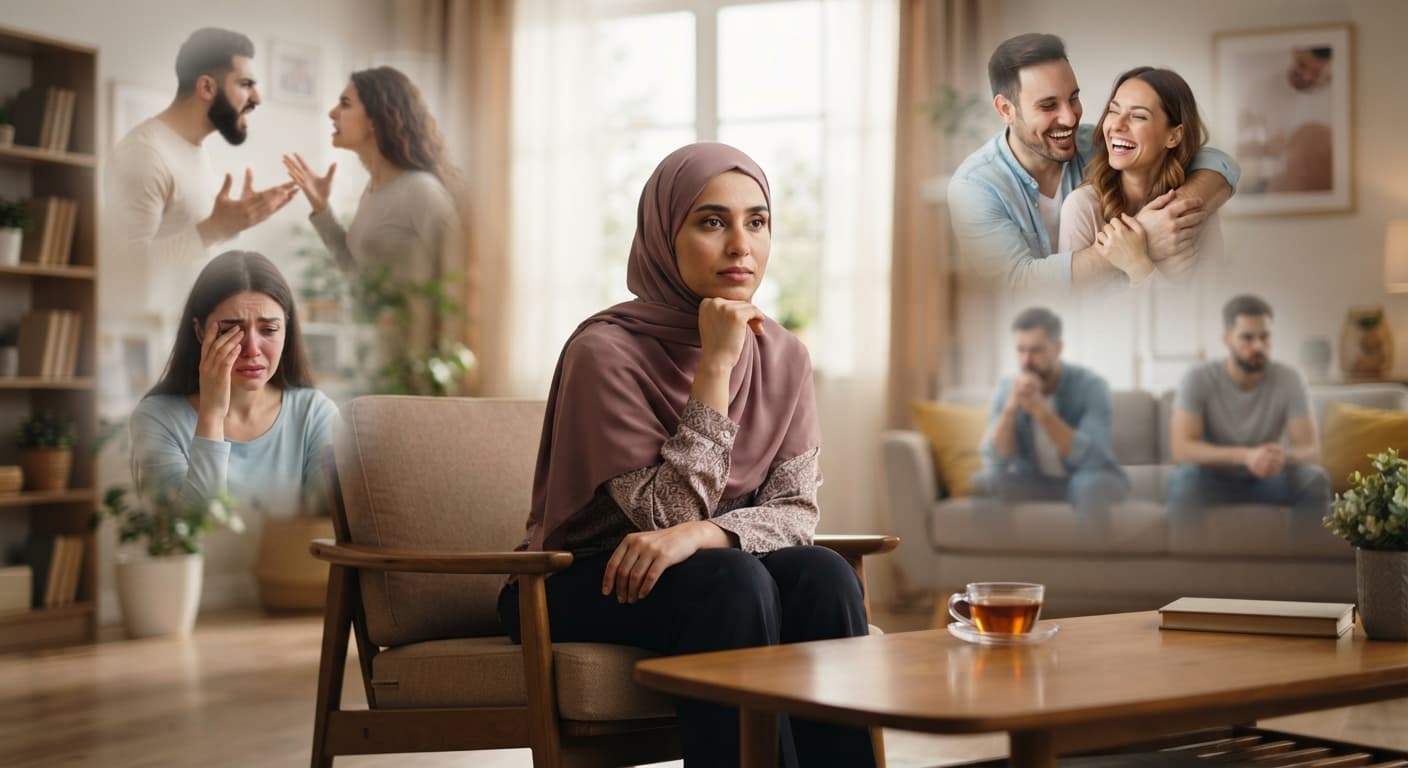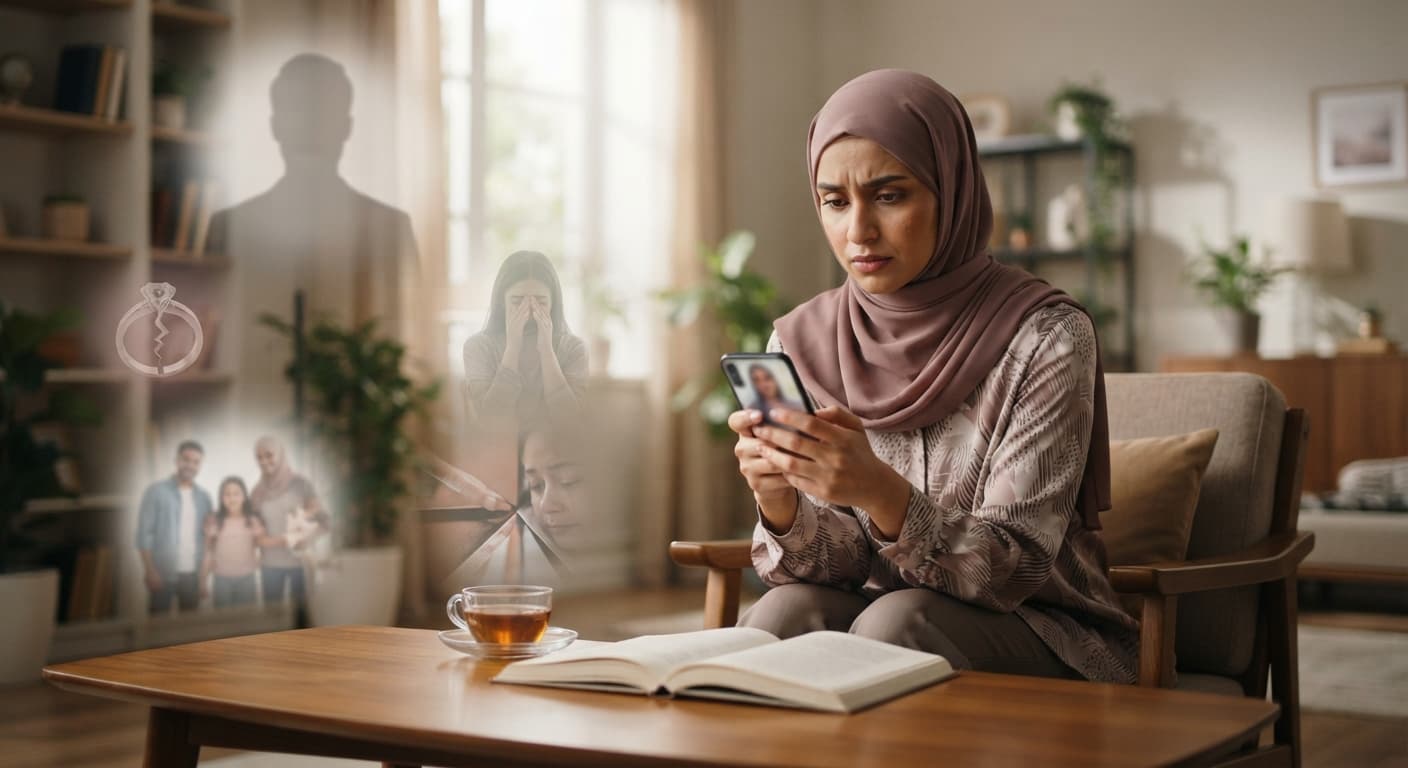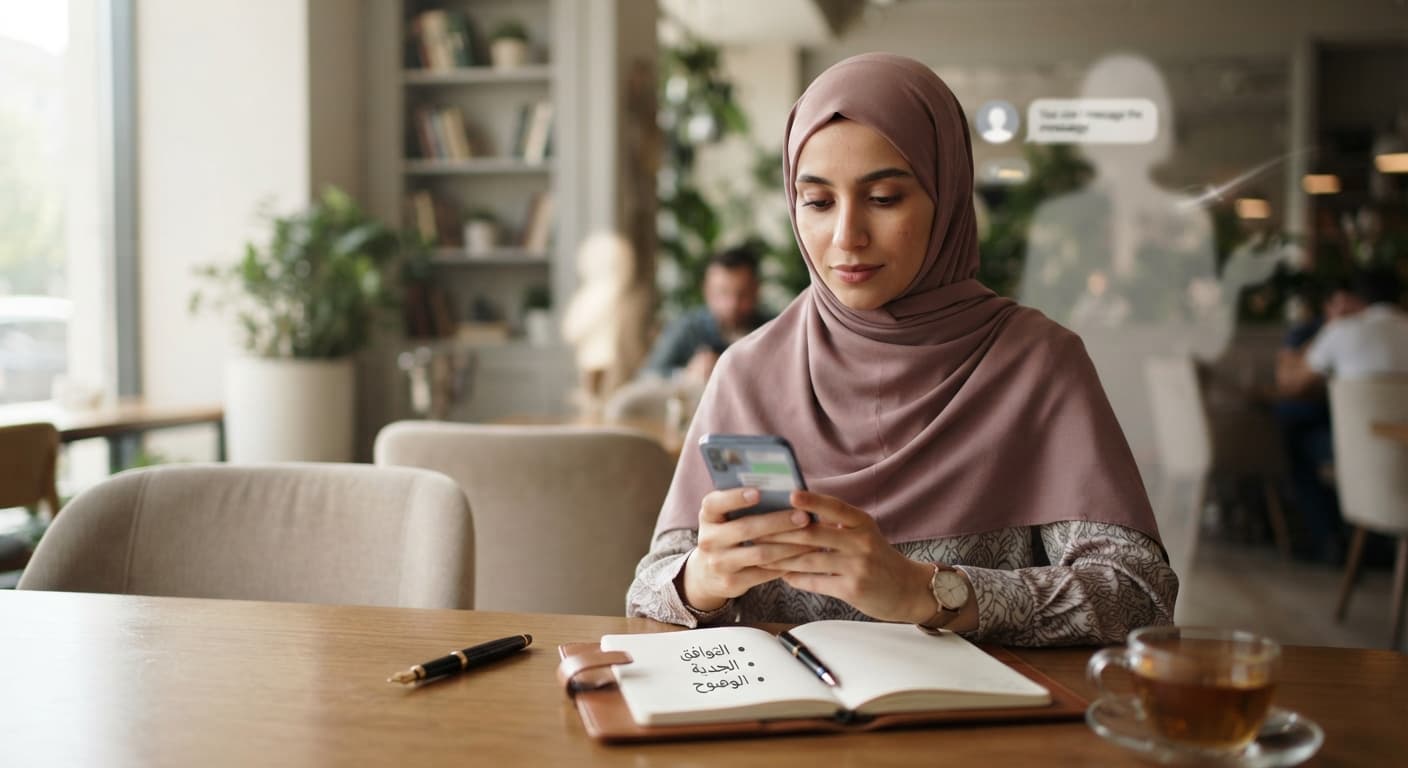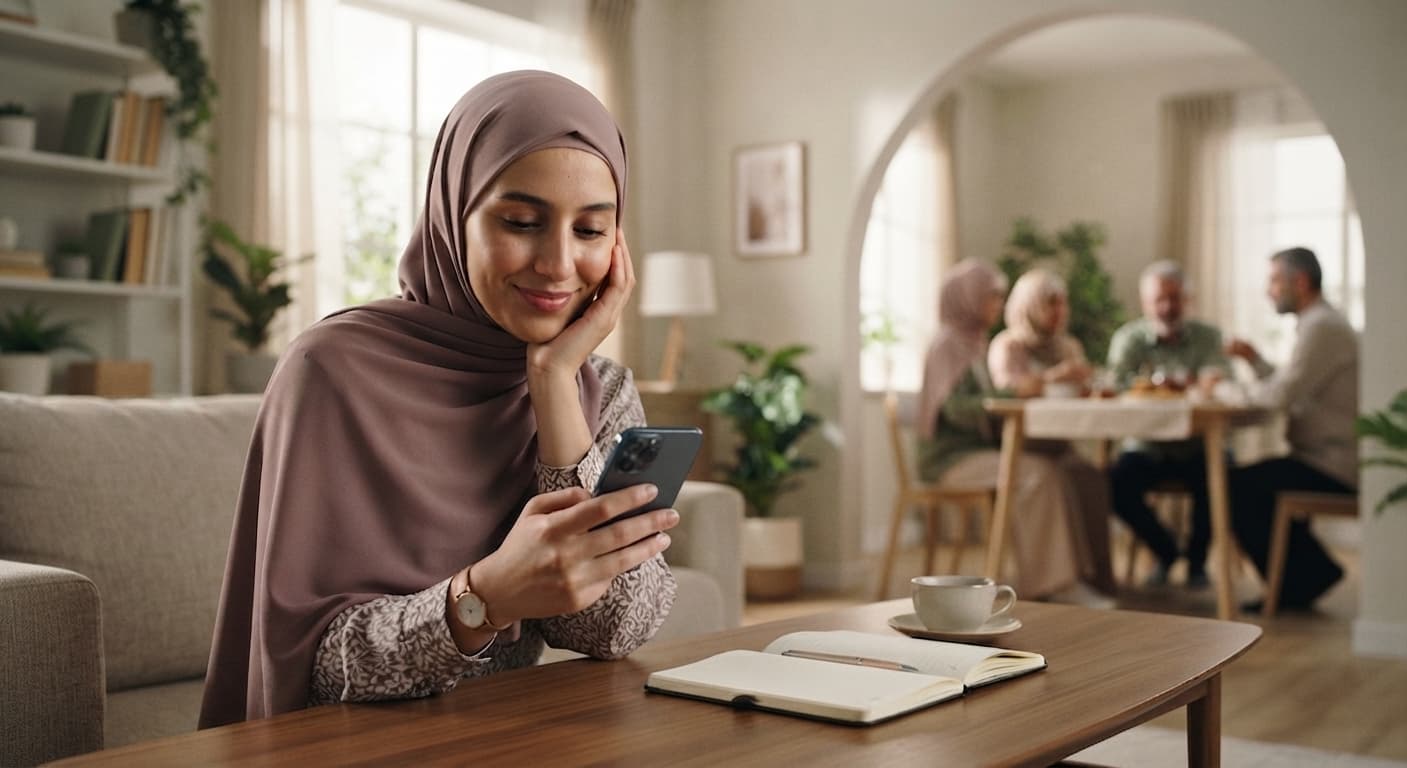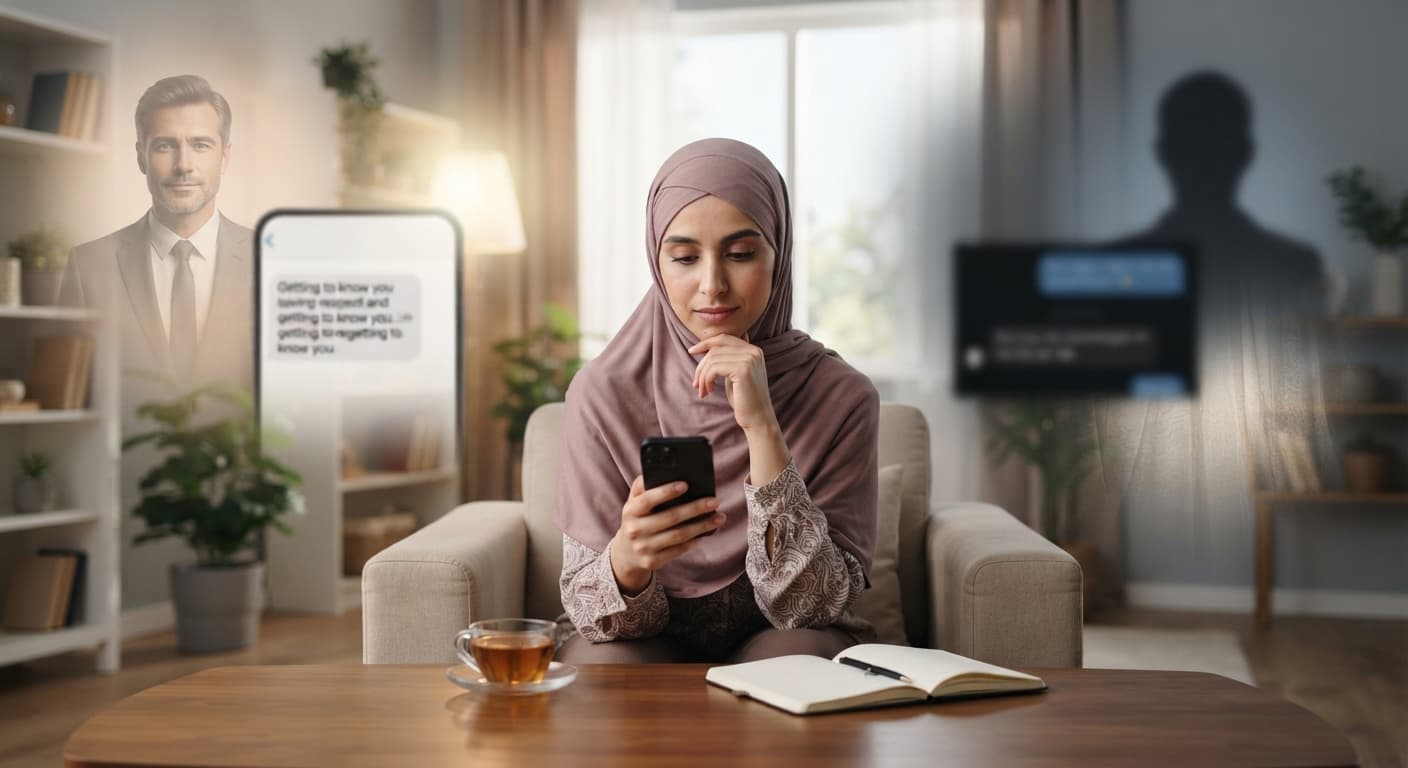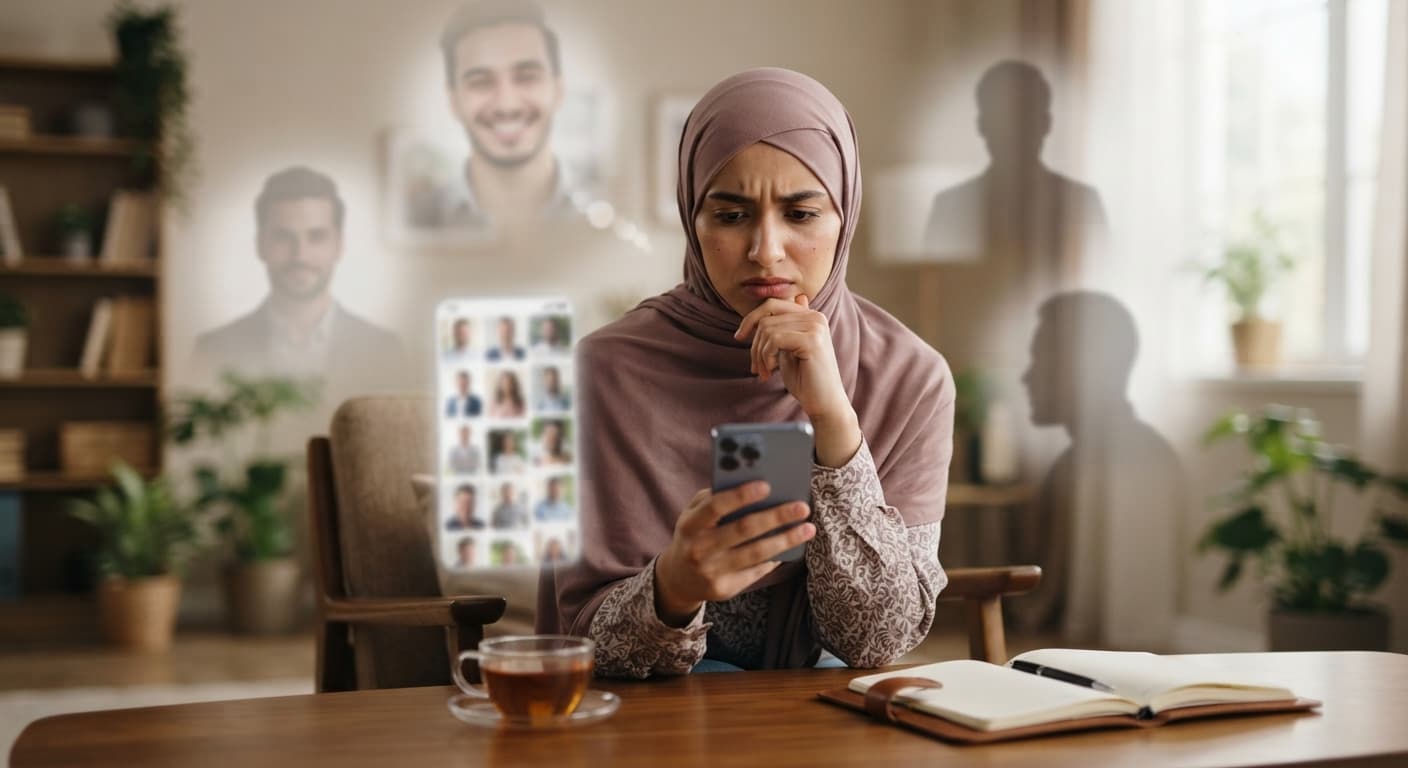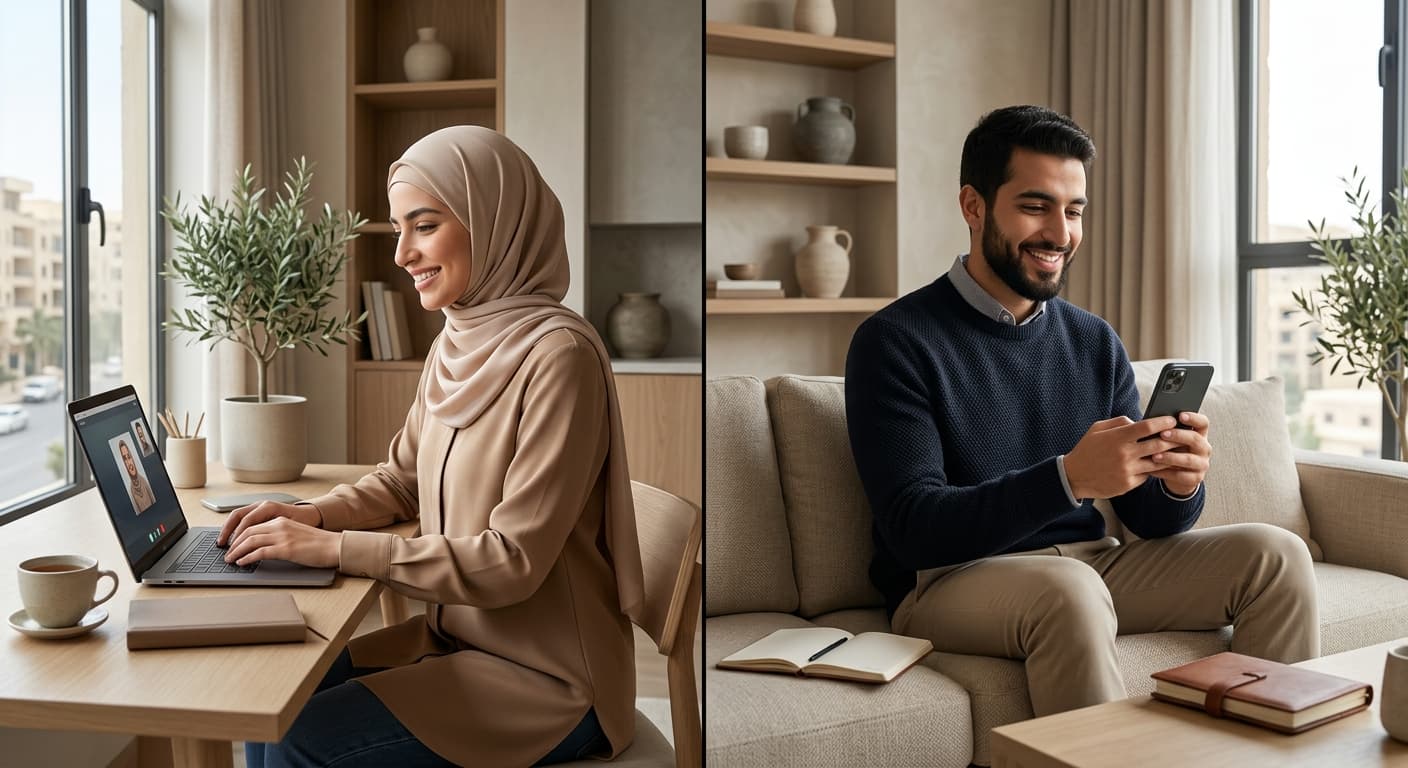
Getting to know people online — the online talking stage — has become part of many people's lives, and it can be a useful way to meet new people, especially when the goal is a serious relationship that leads to marriage.
But how easy online communication is also makes it easy to trust someone quickly, share personal information before really knowing them, or overlook signs worth paying attention to.
So a safe approach doesn't mean living in constant suspicion and fear — it means getting to know the person gradually while protecting your privacy, boundaries, and safety.
Start With a Clear Goal
Before you start, ask yourself: what do I want from this relationship?
If your goal is marriage, it's better for that to be clear from the start.
A clear goal helps you choose the right people and prevents wasting time on a relationship that doesn't match what you're looking for.
Being serious about it doesn't mean marriage is guaranteed — it means both people enter with a clear intention to find out how compatible they are.
Don't Give Full Trust From the First Conversation
The first conversation might be really enjoyable.
You might find the other person kind, understanding, and full of the qualities you're looking for.
But none of that means you fully know their character.
Trust is built over time and through real situations.
So don't let a first impression be the reason you share sensitive information or make big decisions.
Protect Your Personal Information
Early on, you don't need to share every detail of your life.
Be especially careful with information that could be used to reach you or access your accounts.
Such as:
- Passwords.
- Verification codes.
- Bank account details.
- Photos of official documents.
- Your detailed home address.
- Information that could be used to recover your accounts.
- Any highly sensitive personal data.
If someone asks you for this information, don't see your refusal as proof of distrust.
Privacy is a right, not a trust test.
Be Careful With Photos
A photo is a normal part of getting to know someone, but not every request for one has to be accepted.
If a photo is personal or private and you're not comfortable sending it, you have every right to decline.
Keep in mind that once a photo is sent, it can become hard to control where it ends up or whether it's kept.
If the platform has an official system for showing or requesting photos, it's better to use that instead of sending them directly.
Don't Send Money Just Because You Trust the Person
Requests for money are one of the things most worth being cautious about.
It might start with a small request, then grow into bigger ones.
Don't send money or share financial details because of a moving story, a promise, or emotional pressure.
Especially if the person:
- Keeps asking for money.
- Asks you to keep it secret.
- Ties your financial help to your love or seriousness.
- Repeatedly creates an emergency.
- Asks to use your account to send or receive money.
These are signals worth stopping for.
Watch for Contradictions
You don't need to cross-examine every word they say, but it's important to notice clear contradictions.
If someone gives different information about themselves each time, or their story keeps changing, don't ignore it.
Take your time understanding the full picture before building more trust.
Watch How They Handle Your Boundaries
One of the best indicators of someone's character is how they react when you say:
No.
If you decline a request, notice what happens.
Someone who respects you might not like being turned down, but they can accept it.
But if they start:
- Pressuring you.
- Insulting you.
- Intimidating you.
- Accusing you.
- Blackmailing you.
- Repeating the request in an annoying way.
that's a sign worth taking seriously.
A healthy connection allows each person to have boundaries.
Don't Rush Into Personal Contact
The other person might ask for your phone number or personal accounts quickly.
That's not necessarily a bad sign, but there's no reason to rush.
You can keep using the platform's own tools until moving elsewhere feels right.
What matters most is that the decision comes from you, not from pressure.
Don't Assume a Lot of Talking Means You Know Them
You might talk for hours every day, and there can still be a lot you haven't learned yet.
Messages only show part of a person's character.
Watch over time:
- How they handle disagreement.
- How they respect boundaries.
- Whether they follow through on what they say.
- How they handle pressure.
- Respect for others.
- How they make decisions.
Repeated behavior matters more than nice words alone.
Don't Get Attached Before Knowing You're Compatible
Constant contact can make feelings develop quickly.
You might become attached before even knowing whether there's real compatibility for marriage.
So try to separate two questions:
Do I enjoy talking to this person?
and
Is this person right for me as a life partner?
The first is about feelings; the second needs deeper knowledge and real compatibility on the essentials.
Discuss Important Things at the Right Time
If the goal is marriage, don't keep every conversation to hobbies and small talk.
As things progress, it's important to discuss things like:
- Values and principles.
- Goals for marriage.
- Lifestyle.
- Work.
- Responsibilities.
- Money.
- Children.
- Relationship with family.
- Where to live.
- How to handle disagreements.
- Future expectations.
You don't need to turn the first conversation into a formal interview, but you shouldn't keep avoiding the important topics either.
Don't Try to Change the Person
Get to know the person as they are, not as you wish they'd become.
If there's a core trait you can't accept, don't rely on the idea:
"They'll change after we're married."
Marriage isn't a project for reshaping someone's personality.
Ask yourself whether you can accept the person as they are now, not just the version you hope they'll become.
Don't Share Your Secrets Too Quickly
You might feel close to someone after a short time and start telling them your secrets, fears, and private details.
Closeness is good, but it's better when it's gradual.
Not everything you feel needs to be shared right away.
As trust grows and the relationship stabilizes, you can decide what information feels right to share.
If You Decide to Meet, Make It Safe
When the relationship reaches a stage where meeting makes sense, don't let excitement make you skip simple precautions.
It's best for the meeting to be in a suitable, well-known place, with clear arrangements.
For the first meeting especially, it's best to avoid isolated places or situations where you couldn't easily leave if you felt uncomfortable.
If there's a suitable family or social framework for getting to know someone, follow it.
Don't Be Afraid to End It
If you discover the person isn't right, don't feel obligated to continue just because you've already started talking.
You can end things respectfully.
The person doesn't have to be bad for you to decide not to continue.
Sometimes both people are respectable, but there just isn't enough compatibility for marriage.
Ending it early and clearly is better than continuing without any real desire to.
What to Do If You Feel Unsafe
If things turn into threats, blackmail, or harassment, stop trying to please the other person.
You can:
- End contact.
- Use blocking.
- Use the platform's reporting tools.
- Keep evidence if there's a threat or blackmail.
- Tell someone you trust what's happening.
- Seek appropriate help if there's real danger.
Safety comes before politeness and before trying to preserve the relationship.
Let It Progress Gradually
The best way to stay safe is not to rush from one stage to the next.
A natural path might look like:
Initial contact → two-way conversation → learning values and expectations → gradually building trust → verifying important things → more serious steps.
You don't need to reveal everything in one day.
Every stage has its own time.
Safety Doesn't Mean Suspecting Everyone
It's also important not to let caution turn into fear that stops you from connecting with anyone.
Not everyone you meet online is untrustworthy.
But at the same time, there's no reason to give full trust before it's actually earned.
Balance is best:
Stay open to getting to know people, but don't switch off your awareness.
In the End
Getting to know someone online can be a good start to a serious relationship, as long as it happens with awareness and at a gradual pace.
Protect your privacy, don't rush into trust or attachment, and watch behavior, not just words. Discuss the important things as the relationship gets more serious, and don't ignore any behavior that makes you feel unsafe.
And remember, the goal isn't to make someone love you by any means necessary — it's to find out whether there's real compatibility that would let you build a stable, respectful life together.
Getting to know people safely doesn't mean closing the door on others — it means opening it gradually, and letting trust build through time, real situations, and mutual respect.
Put your standards in a real profile
Create your free account in the browser and let matching work on your criteria, not on photos.