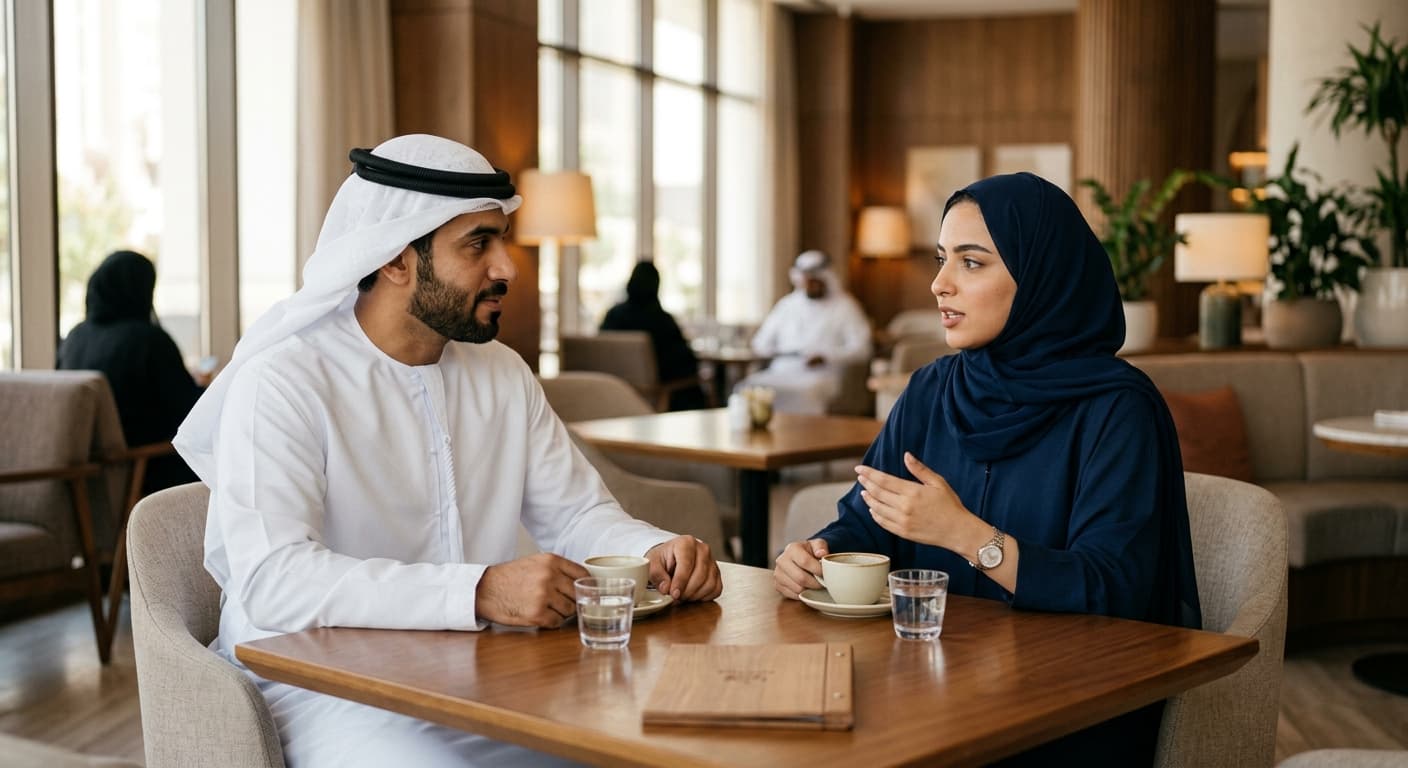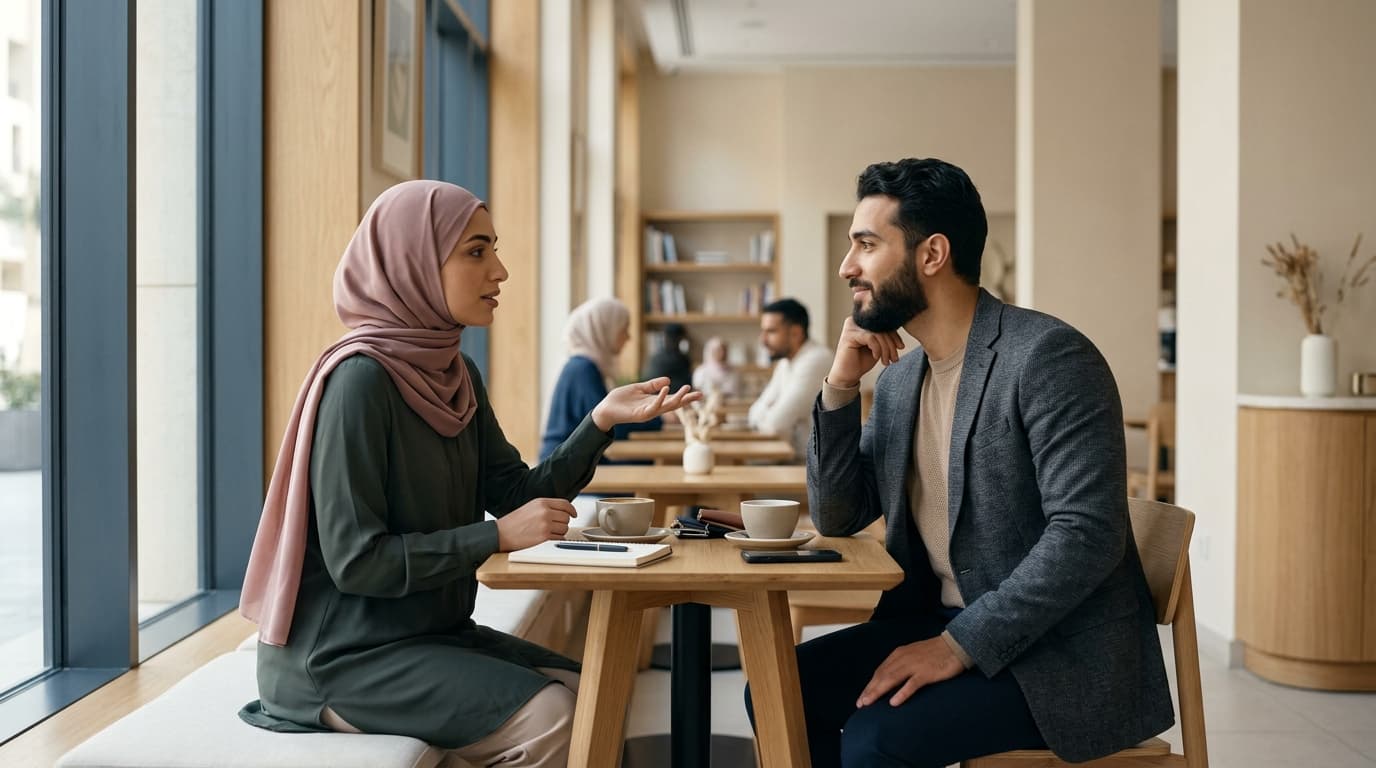
Two families sit in the same room, and the conversation gradually turns to a number: the mahr. Suddenly, the mood shifts from the joy of two people coming together into something closer to a business negotiation, where one side — or both — feels uncomfortable, as if a person's worth is being reduced to a figure up for discussion.
That discomfort is completely understandable, but it usually comes from an incomplete understanding of what the mahr actually is. Once you understand its real meaning, how you feel about that moment changes entirely — not because the number changes, but because your view of the moment itself does.
The mahr isn't a price. So what is it?
The common, though mistaken, picture is that the mahr is a kind of "price" a man pays to marry a woman, as if she were merchandise being appraised. That understanding is nowhere close to what the mahr actually is in Islam.
At its core, the mahr is a purely financial right belonging to the wife, owed to her the moment the marriage contract takes effect, hers to use however she chooses, with no one — not her husband, not her family — having any claim on it. It's an expression of the man's seriousness and commitment to this union, not a valuation of her worth or a "price tag." The difference isn't just semantic — it's fundamental: a price is paid to acquire something; a mahr is a right granted out of respect for a person.
So why isn't there one fixed number that would spare everyone this discomfort?
You might wish there were a single, religiously agreed-upon number that ended all this tension. But Islam deliberately left this flexible, without setting a fixed amount, for an important reason: what suits one family might not suit another, and what's affordable in one country might be a real burden in another. What matters isn't the number itself — it's genuine mutual agreement between the two people.
And this is exactly where the tension in a lot of these sessions actually comes from: when the moment shifts from "mutual agreement" into "social competition" — comparing to someone else's mahr, or trying to signal social status through a large number. That drift away from the original meaning is what makes the session feel like a negotiation — not something inherent to the mahr itself.
Does a large mahr signal more seriousness?
A question that comes up often, and the honest answer is: not necessarily. How serious a marriage is gets measured by intention, willingness to take on responsibility, and the ability to build a life together — not by a figure in a contract. Plenty of stable, successful marriages started with very modest mahr amounts, while a large mahr on its own guarantees neither a relationship's success nor the sincerity behind it.
This doesn't mean the mahr should be purely symbolic and meaningless in every case — it means the number should be based on the husband's actual means and both people's real circumstances, not an attempt to prove something to someone.
What if the two families genuinely disagree on the number?
This is a very common situation, and it helps for both sides to remember, in that moment, that the shared goal is a marriage built on genuine consent — not "winning" an argument. It's wise for a calm, objective person from either family to help bridge the gap, and for both sides to remember that being flexible on this specific point is socially and religiously commendable, not a sign of weakness or giving in.
One last practical point many people miss
Beyond the amount itself, it's important that the mahr be clearly and specifically stated within the marriage contract — whether paid in full upfront, or split between an immediate and a deferred portion. That clarity, not the size of the amount, is what protects both people later from any dispute or misunderstanding over what was actually agreed.
In the end
When you're back in that family gathering, watching the number get put on the table, remember that what's happening isn't an appraisal of anyone, and it isn't a negotiation over a "price." It's simply agreeing on a genuine right belonging to the wife, expressing the seriousness of a commitment about to be made, built on mutual consent rather than competition. When both people hold onto that understanding, that moment turns from manufactured tension into a calm, reassuring step toward a real beginning.
Further reading
Put your standards in a real profile
Create your free account in the browser and let matching work on your criteria, not on photos.