The start of a marriage is often full of beautiful feelings, attention, and small details that make each person feel valued. But over time, life starts to take a different shape: work and home responsibilities appear, commitments increase, children may come along, and every day gets a packed schedule.
At this point, some people think it's natural for certain signs of attentiveness to fade, and that love after years of marriage can't be like it was at the start.
But the truth is that love in marriage doesn't need to stay in the same shape it had at the beginning — it needs to mature, grow, and get the attention it deserves.
Affection isn't just a feeling that appears automatically — it's a set of actions that make each person feel they're still important, loved, and valued by their life partner.
Don't Take Your Partner's Presence for Granted
One of the things most likely to weaken affection over time is a person getting so used to their partner's presence that they stop expressing appreciation for them.
Having a spouse can start to feel like just a normal part of life, so a person stops saying:
"Thank you."
or:
"I'm glad you're with me."
or even asking about their partner's day the way they used to at the start of the relationship.
Getting used to each other is natural, but it doesn't have to come with the end of appreciation.
Having the person you love beside you every day isn't a reason to stop showing their worth — it's an extra reason to keep nurturing the relationship.
Pay Attention to the Small Details
Love doesn't always show up on big occasions.
Often, the small everyday details are more impactful.
Remembering something your partner loves.
Asking them about something that was on their mind.
Noticing that they're tired.
Leaving them something they love.
Stepping in to help when their day is hard.
These things might seem small, but they send a constant message:
You matter to me, and I notice you.
These actions don't need money or a lot of time — they just need attention.
Set Aside Time Just for the Two of You
Over the years, most of your shared time can end up tied to responsibilities.
Talk about bills.
Talk about the kids.
Talk about work.
Talk about the house.
But a couple also needs time where the goal isn't solving a problem or managing a responsibility.
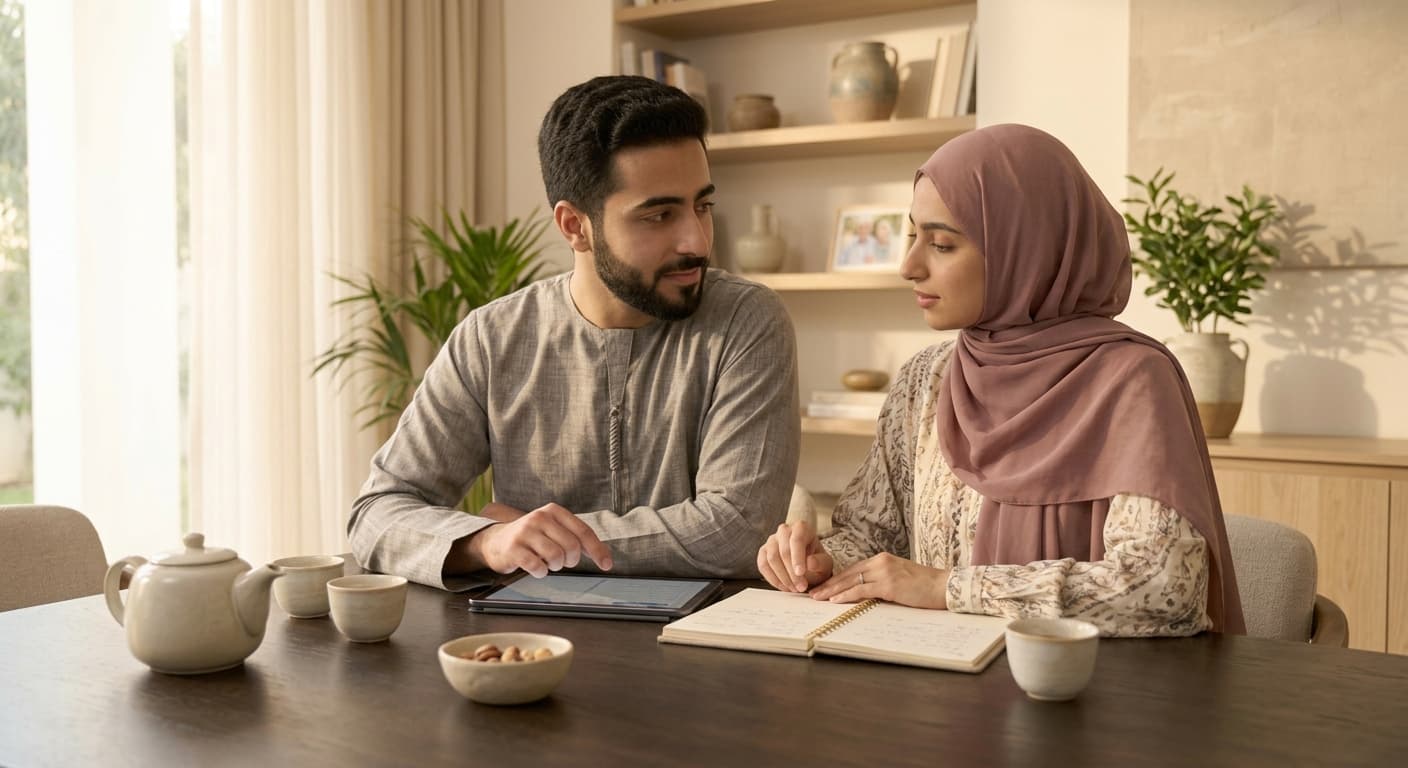
That could be a quiet dinner, a short walk, sitting together at home, or just talking before bed.
What matters is having time where both of you feel like you're talking as spouses, not just as two people running a shared life.
Don't Let the Phone Take the Relationship's Place
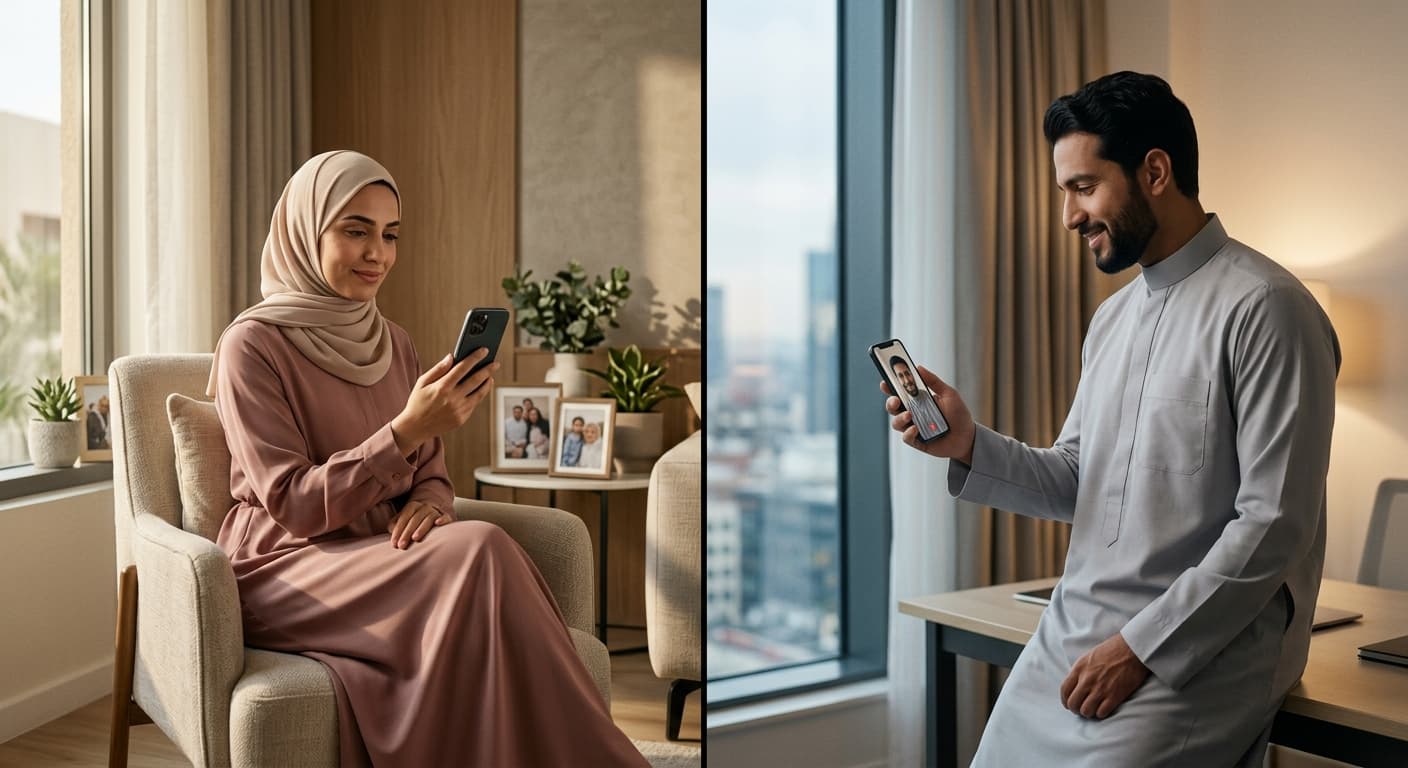
A couple might sit in the same room, yet each of them is absorbed in their phone.
With this repeating, conversation and connection quietly fade without either of them noticing.
The point isn't to get rid of phones or technology, but to set aside certain times where connecting with each other comes first.
Even half an hour a day without phones can make a big difference if it's spent talking, listening, and paying attention.
Express Love in the Way Your Partner Understands
Not everyone expresses love the same way.
One person might see love as showing up through kind words, while another sees it in helping out and taking on responsibility.
Someone else might be moved more by shared time, attentiveness, or affectionate touch.
So don't assume your own way of expressing love is necessarily the way your partner needs it.
Notice what makes them feel appreciated, and try to show your care in the way that actually reaches them.
Don't Stop Saying Kind Words
Some couples stop complimenting each other after marriage because they think their partner already knows they're loved.
But knowing isn't a substitute for hearing it.
A simple line like:
"You look great today."
or:
"I'm proud of you."
or:
"Thank you for being by my side."
can carry a lot of weight, especially when it comes unexpectedly.
Don't limit kind words to special occasions only.
Keep the Romance Alive
Romance after marriage doesn't need to be over the top.
It could be a short message during a workday, a small surprise, a favorite meal, or a date just between the two of you.
It's not about the size of the gesture — it's about your partner feeling that you're still thinking of them and want to make them happy.
Over time, a couple can create their own style of romance instead of trying to copy what they see in others.
Don't Let Routine Become the Whole Relationship
Routine isn't always bad — it helps organize life.
But the problem starts when every day becomes a copy of the one before it, with nothing new that the couple shares.
Try changing up the routine sometimes:
- Visit somewhere new.
- Try a shared activity.
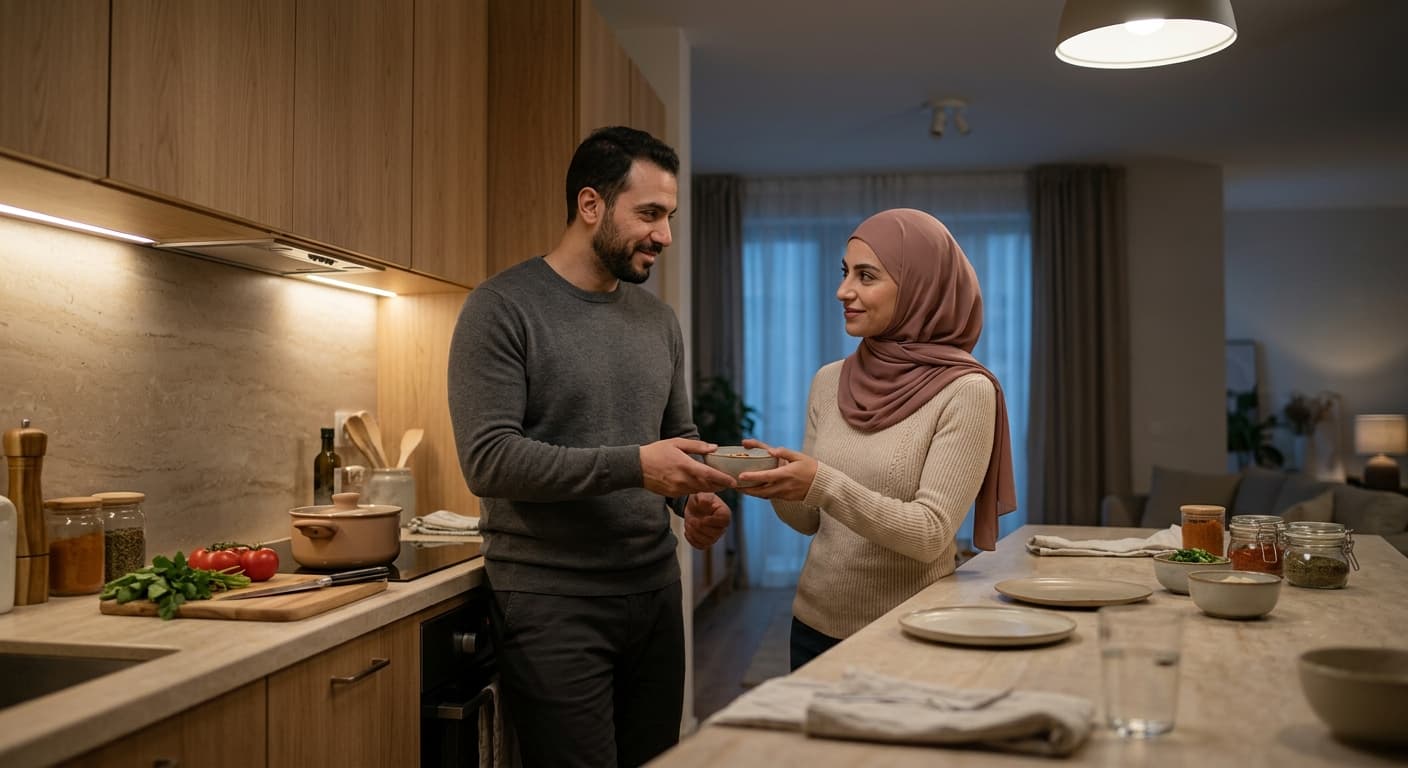
- Cook a meal together.
- Go out for a walk.
- Watch a movie and pick something you'll both enjoy.
- Learn something new together.
The goal isn't constant excitement — it's creating shared memories and experiences.
Remember How the Relationship Began
This isn't about living in the past — it's about remembering what drew each of you to the other in the first place.
What qualities did you love about your partner?
What moments made you feel they were the right person?
What things did you enjoy doing with them?
Revisiting these memories can help you see your partner from a different angle, especially when daily responsibilities have taken over the picture of the relationship.
Don't Let Criticism Become Your Main Way of Talking
When two people live together for a long time, each starts to know the other's flaws quite well.
Communication can gradually turn into remarks and criticism:
"Why did you do that?"
"You always forget."
"You don't care."
"You never do anything right."
Even if some of these observations are true, repeating them this way makes the other person feel unappreciated.
Try to balance pointing out what needs improvement with acknowledging what your partner does well.
Appreciate the Invisible Effort
A lot happens within a family that only gets noticed once it stops.
Organizing the home.
Looking after the children.
Working long hours.
Planning expenses.
Keeping track of the family's needs.
These efforts can become so routine that whoever's doing them doesn't get enough credit for them.
Sometimes just saying:
"I see the effort you're putting in."
has more impact than you'd expect.
Feeling that your effort is appreciated helps you keep giving within the relationship.
Stay Respectful During Disagreements
Love doesn't mean a couple will never disagree.
But it's important that disagreement doesn't become a way of hurting the relationship.
Avoid insults, sarcasm, and putting your partner down, and don't use things they told you in moments of trust against them when you're angry.
The problem might end, but hurtful words can stay in memory for a long time.
Staying respectful during a disagreement is one of the most important ways to protect affection even in hard moments.
Don't Use Comparison
Comparing your life partner to other people is one of the things most likely to weaken affection.
"So-and-so's husband does this."
"So-and-so's wife takes care of that."
These comparisons make a person feel they're in a constant competition with an image that might not even be real.
Every marriage has its own circumstances, personalities, and means.
Instead of comparing, talk to your partner directly about what you need from them.
Protect the Relationship's Privacy
Not everything that happens within a marriage needs to be known by others.
Sharing the personal details of disagreements or problems with friends or family can affect how others see your partner, even after the problem is over.
Privacy helps a couple resolve many things within the relationship itself, without adding outside opinions and interference to every situation.
Don't Neglect Intimacy
Intimacy is an important part of the affection between spouses.
With life's pressures, the space set aside for it can shrink compared to before.
It's important not to treat it as secondary, but as part of the relationship that needs attention, communication, and care for both partners' needs.
Talking about any problem or difference in this area respectfully and clearly is also far better than ignoring it.
Protect Personal Space
Love doesn't mean a couple has to do everything together.
Each person having their own space can be healthy for the relationship.
A hobby, time with friends, a personal interest, or quiet time alone.
When a person feels they have healthy personal space, they come back to the relationship with better energy, instead of feeling that marriage erased their identity and personal life.
What matters is that this space stays balanced with the responsibilities and boundaries that protect trust between the two of you.
Don't Wait for Occasions to Celebrate Your Partner
There can be important occasions like birthdays and anniversaries, but don't limit appreciation to just those days.
Celebrate the small wins.
Your partner's happiness over something they achieved.
Their success at work.
Getting through a hard time.
Any progress in their life.
When a person feels their partner is genuinely happy for their success, the relationship becomes a real source of support.
When Children Come Along, Don't Forget You're Still a Couple
Having children changes life significantly.
Responsibilities increase, time shrinks, and most conversations can end up being about the kids.
But it's important that the marriage doesn't disappear entirely behind the role of parenting.
Set aside time for the relationship even if it's limited.
Talk about yourselves, not just the kids.
Remember that a child also benefits from seeing a healthy, stable relationship between their parents.
Learn to Start Fresh
There are periods where a couple might feel that affection has faded compared to before.
The cause might be work pressure, the kids, financial problems, or other circumstances.
This doesn't necessarily mean love is over.
Sometimes the relationship just needs renewed attention.
Start with a small step.
A calm conversation.
Shared time.
A simple gesture.
An apology for something old.
Or a decision to start setting aside time for the relationship again.
Long relationships go through different phases, and the ability to rebuild closeness after hard periods is part of what makes them succeed.
In the End
Love after marriage doesn't rely on feelings alone, and it doesn't need every day to be full of surprises.
It shows up in daily attentiveness, kind words, shared time, appreciation, respect, and the ability to see your life partner as someone who deserves attention even after years of marriage.
Don't wait for affection to disappear before you start looking for it.
Protect it while it's there, give it time and attention, and let your life partner feel through your actions that they're still important in your life.
A long marriage doesn't preserve love automatically — it's preserved by two people who choose, again and again, to care for each other.
What if this is year fifteen, not year one?
You sat watching your husband talk excitedly about a new idea on his mind, and suddenly realized you don't know when he started caring about this topic in the first place. He might have mentioned it, or maybe you just weren't paying attention, buried under the daily details that have filled most of your conversations for years now. That small moment reveals a challenge newlyweds never face: how do you stay affectionate toward someone who isn't quite the person you married anymore?
The person you married years ago isn't necessarily the same person today — their interests, priorities, even how they think evolve over time, just as yours have. Affection built on a fixed mental image formed at the start of your marriage starts, without you noticing, addressing someone who doesn't quite exist in that same form anymore.
The fix isn't as complicated as it sounds, but it does take conscious attention: continuing to "get to know" who your partner has become now. Ask yourself from time to time: do I know what's specifically on their mind these days? Do I know their current dreams, not just the ones they shared with you years ago?
That ongoing curiosity, even decades into a marriage, is what keeps a relationship from settling into a familiar routine where each of you knows the other's old details well, but no longer really knows who they've actually become today.
Put your standards in a real profile
Create your free account in the browser and let matching work on your criteria, not on photos.