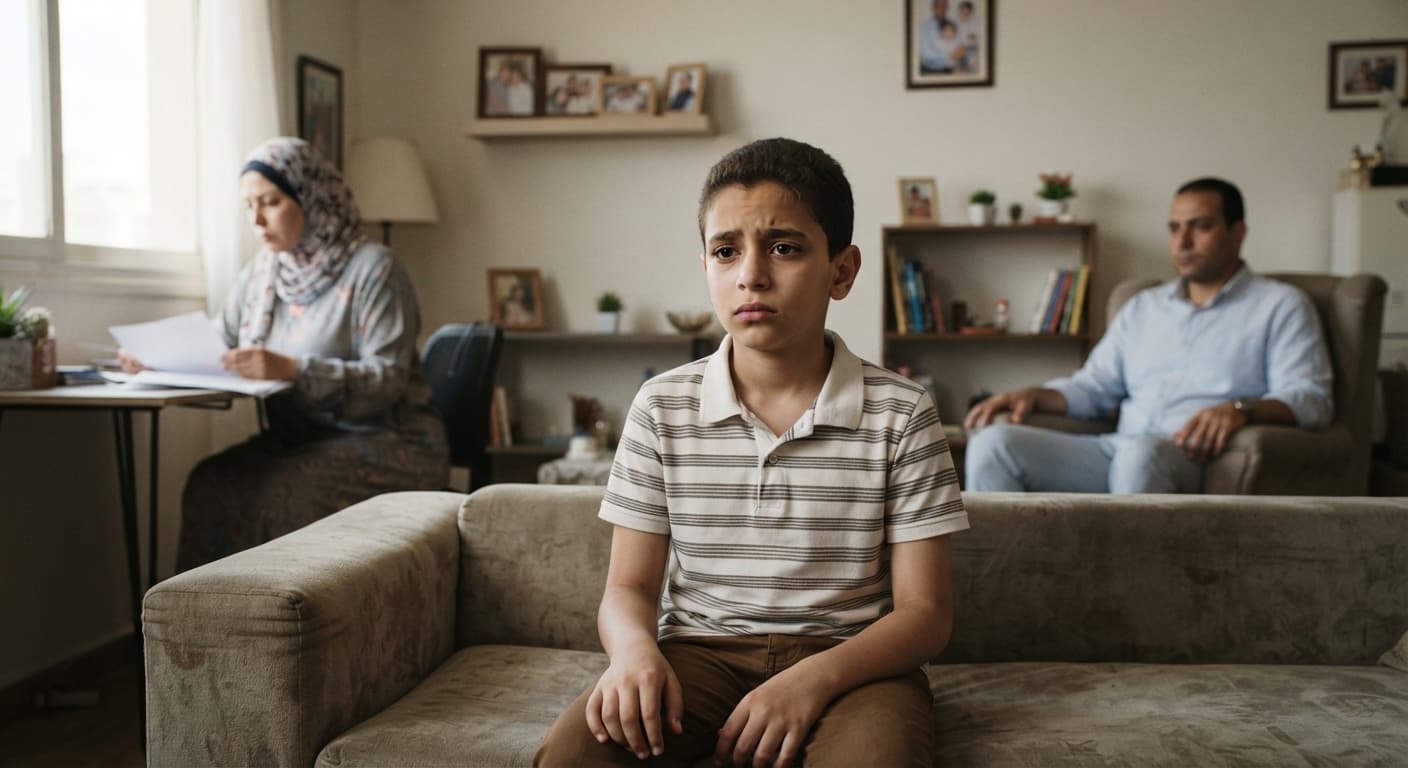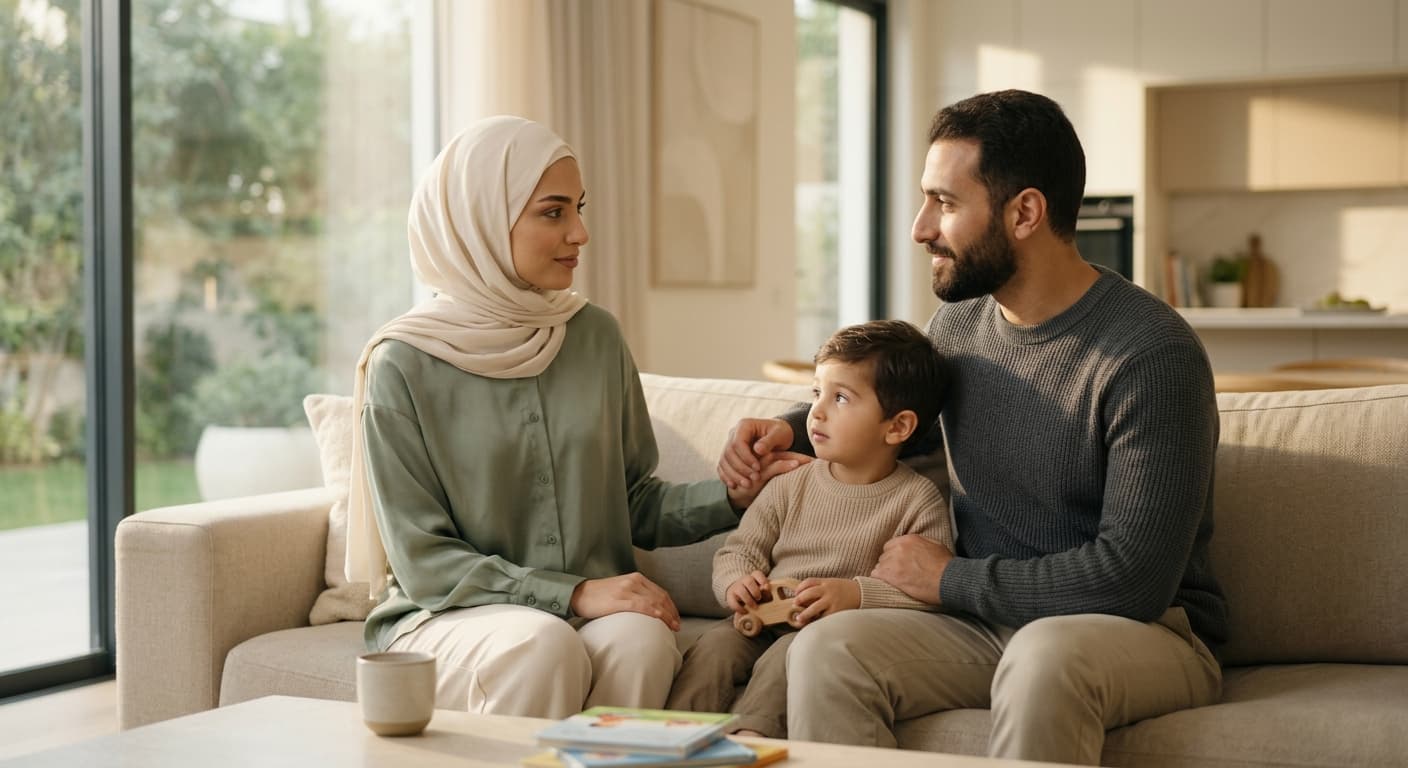
Someone asks at nearly every family gathering: "So, when do we hear the good news?" Every time, one of you smiles politely and changes the subject, while a question much deeper than the asker realizes runs through both your minds: are we actually ready for this step, or are we just feeling enough social pressure to talk about it as though it's merely a matter of time?
A lot of the conversation around having a child focuses on the medical side, the financial side, or even the "right" age, while a side just as important gets overlooked: real psychological readiness to take on a responsibility of this size. And that readiness isn't measured by years of marriage — it's measured by honest questions a couple asks themselves, away from any outside pressure.
Why should the question start with your current relationship?
A common, and mistaken, idea is that a child might "bring closer" a couple going through a rough or distant patch. The truth is the exact opposite: a child adds real pressure to any relationship, stable or shaky, and doesn't fix one that wasn't stable to begin with. Real psychological readiness starts with feeling secure and stable in your current relationship, not with hoping a child will create a stability that wasn't there before.
Do you need to agree on every single parenting detail?
No, and thankfully, that wouldn't even be realistic. But having a shared general picture of the values you want to instill in your child — not every small detail — reduces a lot of surprises later, and gives you common ground to build on when smaller disagreements over details inevitably come up.
Do you genuinely accept your priorities shifting this much?
Having a child radically reorders priorities: time, money, even how you spend evenings and vacations. This isn't meant to scare you — it's a reality worth thinking through honestly in advance. Psychological readiness means accepting that radical shift as a natural part of the decision, not discovering it as a real shock after birth, when there's no turning back.
What about the support network around you?
Having family or close friends you can rely on when needed eases a lot of the psychological pressure specifically in the first few months — months that are inherently exhausting even with that support in place. Not having that network doesn't mean having a child is impossible at all, but it does mean needing far more advance planning instead of relying on help that might not actually be available when you need it.
Do you talk openly about your fears, or does each of you hide them from the other?
It's completely normal for either of you to feel anxious or hesitant about this step, even alongside a genuine desire for it. Suppressing that or pretending there's no worry at all doesn't make it disappear — it turns it into a silent burden each of you carries alone. Talking about these fears openly, no matter how "inappropriate" they feel to bring up, turns them into genuine shared preparation instead of a private, bottled-up worry.
In the end
Go back to that moment you exchanged a silent glance after someone asked about "the good news." There's no guaranteed complete readiness before having a child, and there never will be, no matter how long you wait. But there's a real difference between a step taken after honest reflection between the two of you, built on questions like these, and one taken under social pressure or outside expectations that have nothing to do with your actual readiness. An honest conversation around these questions — not years of marriage or advice from people around you — is the best psychological preparation there is.
Put your standards in a real profile
Create your free account in the browser and let matching work on your criteria, not on photos.