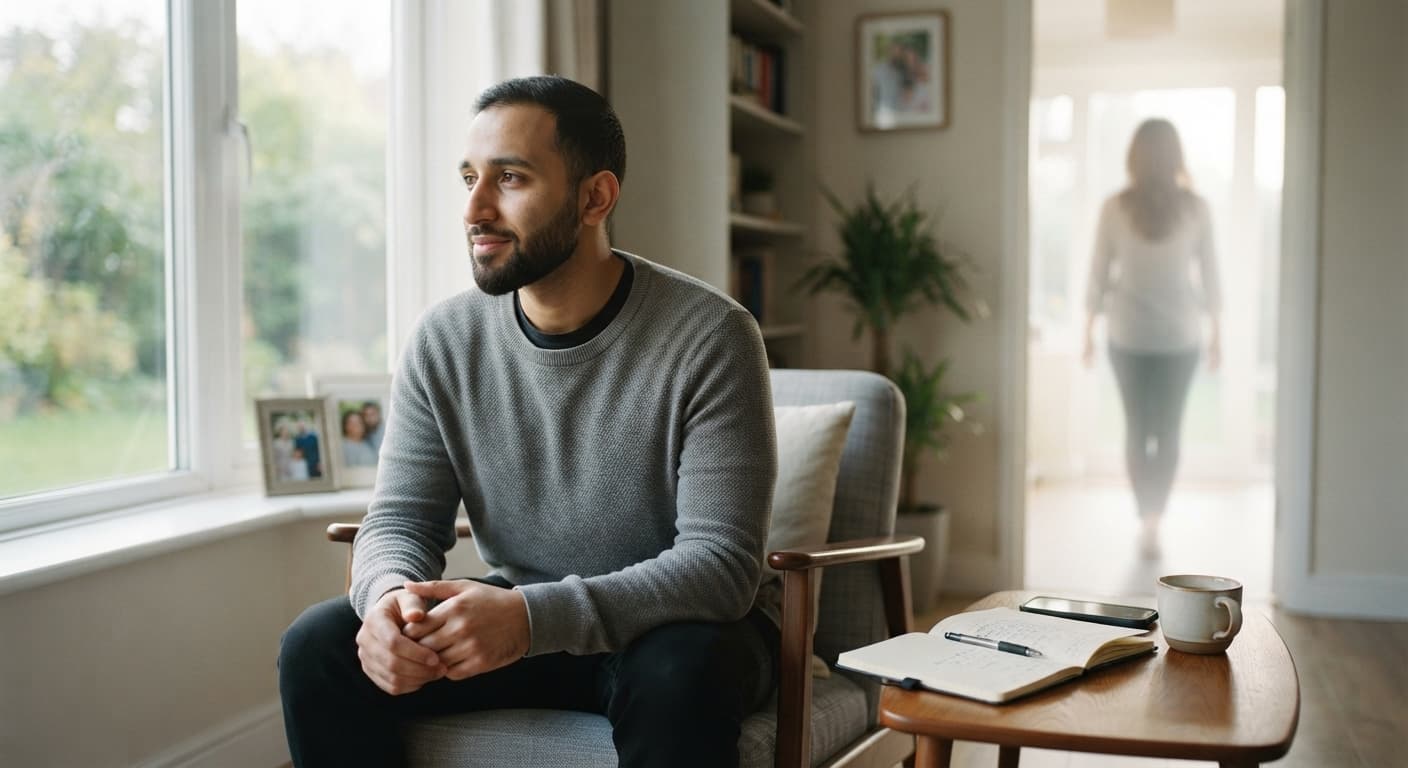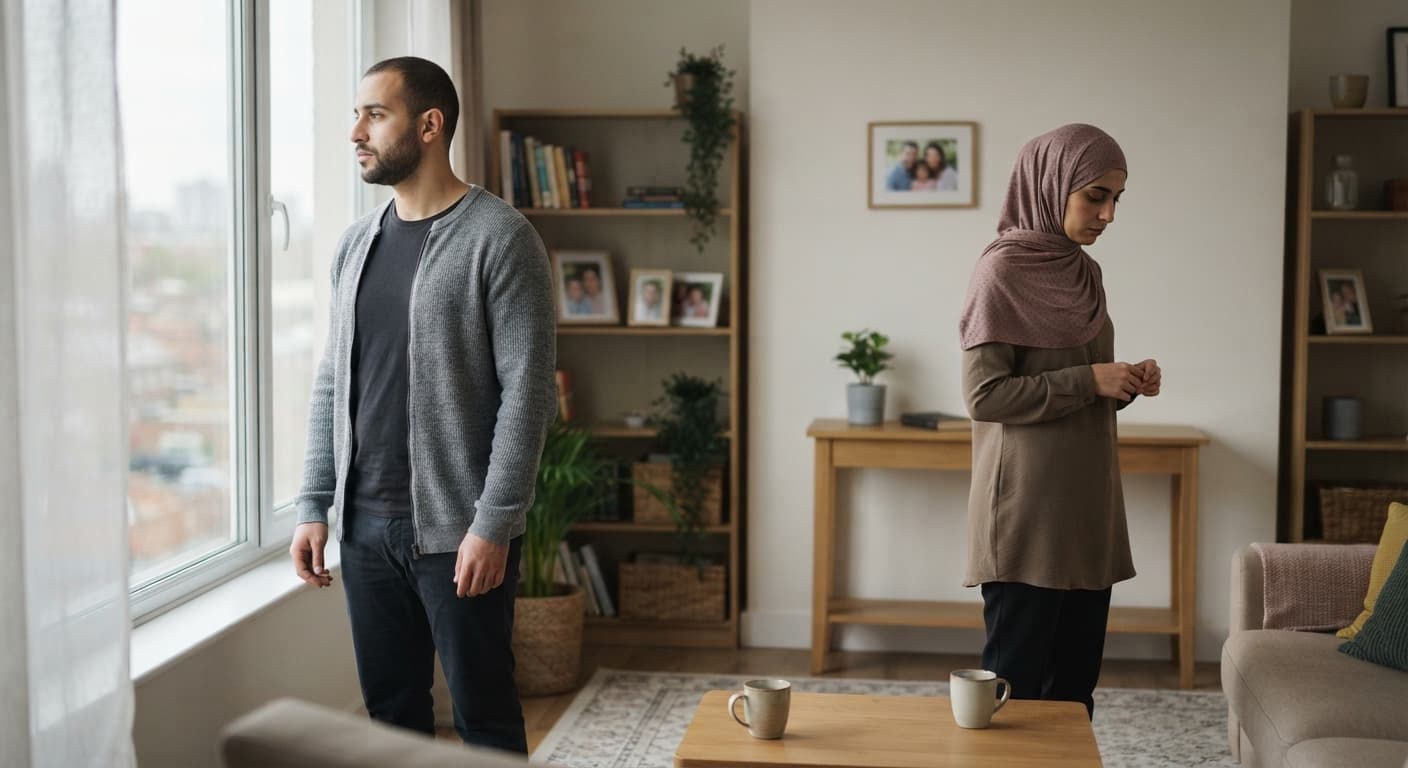
You were completely sure of your decision when you proposed. But as the contract date gets closer week by week, you've started noticing something you didn't expect: a vague anxiety that visits you in quiet moments, with no clear reason you can name. Nothing new has happened between you and your fiancée, and you haven't noticed any real problem, but the anxiety is there, and it grows the closer the date gets.
A lot of people hide this feeling entirely, assuming it's abnormal, or even a kind of "betrayal" of an earlier decision they made with full confidence. But the truth is that distinguishing between two genuinely different kinds of this anxiety is what actually matters — not whether it exists at all.
Is this anxiety actually normal, or a signal worth paying attention to?
Marriage is a radical shift in your entire way of life, and that alone is enough to stir up natural anxiety in a lot of people, even with complete certainty that the choice itself is right. This kind of anxiety is usually general and not precisely defined — fear of "the unknown" more than fear of a specific person — with no clear cause you can point your finger at.
What does the other kind of anxiety, the one actually worth pausing for, look like?
By contrast, doubt worth paying attention to has a different signature: it's specific, not general. Recurring worry about a genuinely different core value that comes up in almost every discussion, a behavior you've noticed more than once that hasn't changed despite being pointed out, or a clear, consistent internal discomfort about one particular, specific thing — not a vague feeling that visits and fades without a trace.
What's wrong with dismissing every worry as "just normal"?
This is one of the two wrong ways to handle the situation. Dismissing every worry with "it's always normal" can mean ignoring a real signal that genuinely deserved to be paused on and discussed before it was too late. Anxiety being normal doesn't mean every instance of it necessarily is.
And the exact opposite mistake?
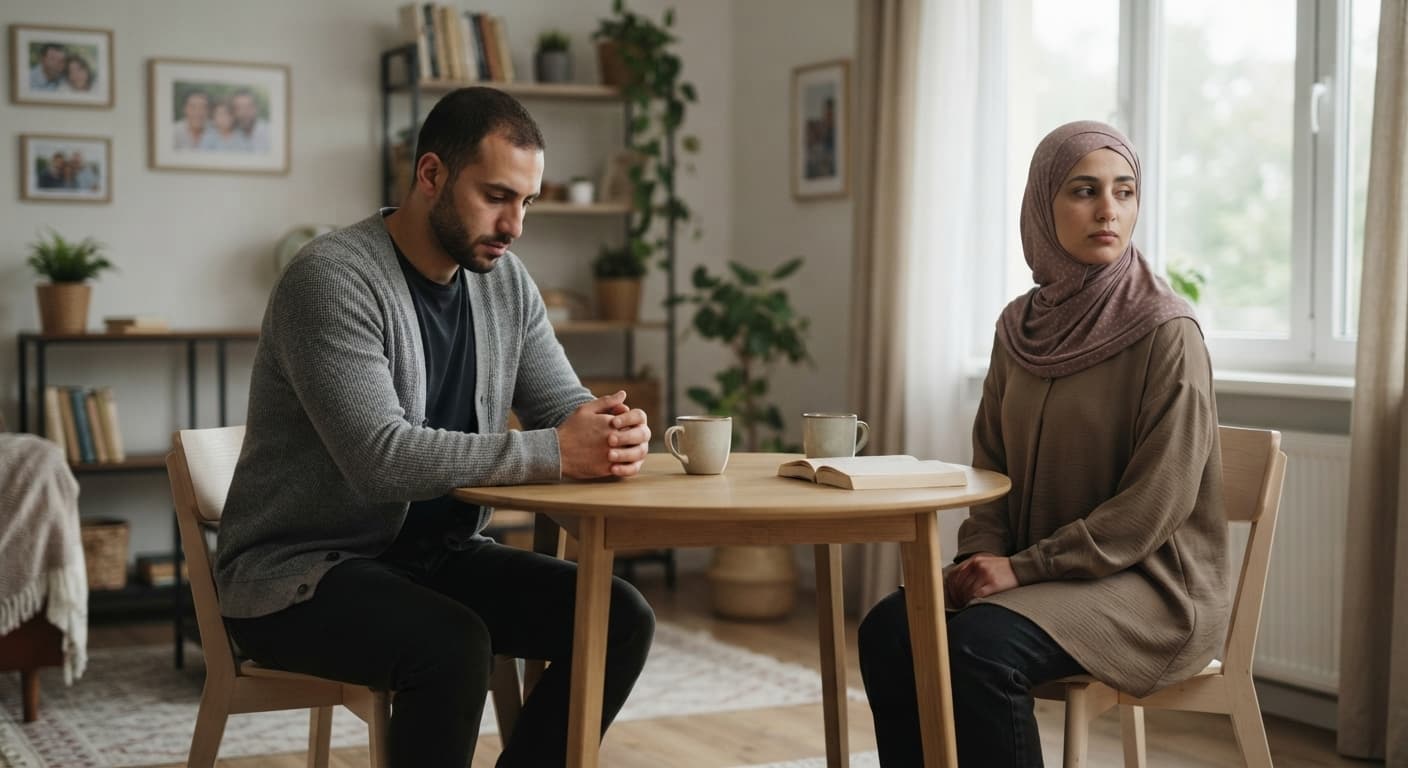
Treating every worry, however vague and fleeting, as definitive proof the choice itself is wrong. This opposite extreme can push you to back out of a genuinely sound decision because of natural fear of "change" itself, not of the person you're planning to marry.
So how do you sort this anxiety out, instead of letting it grow in silence?
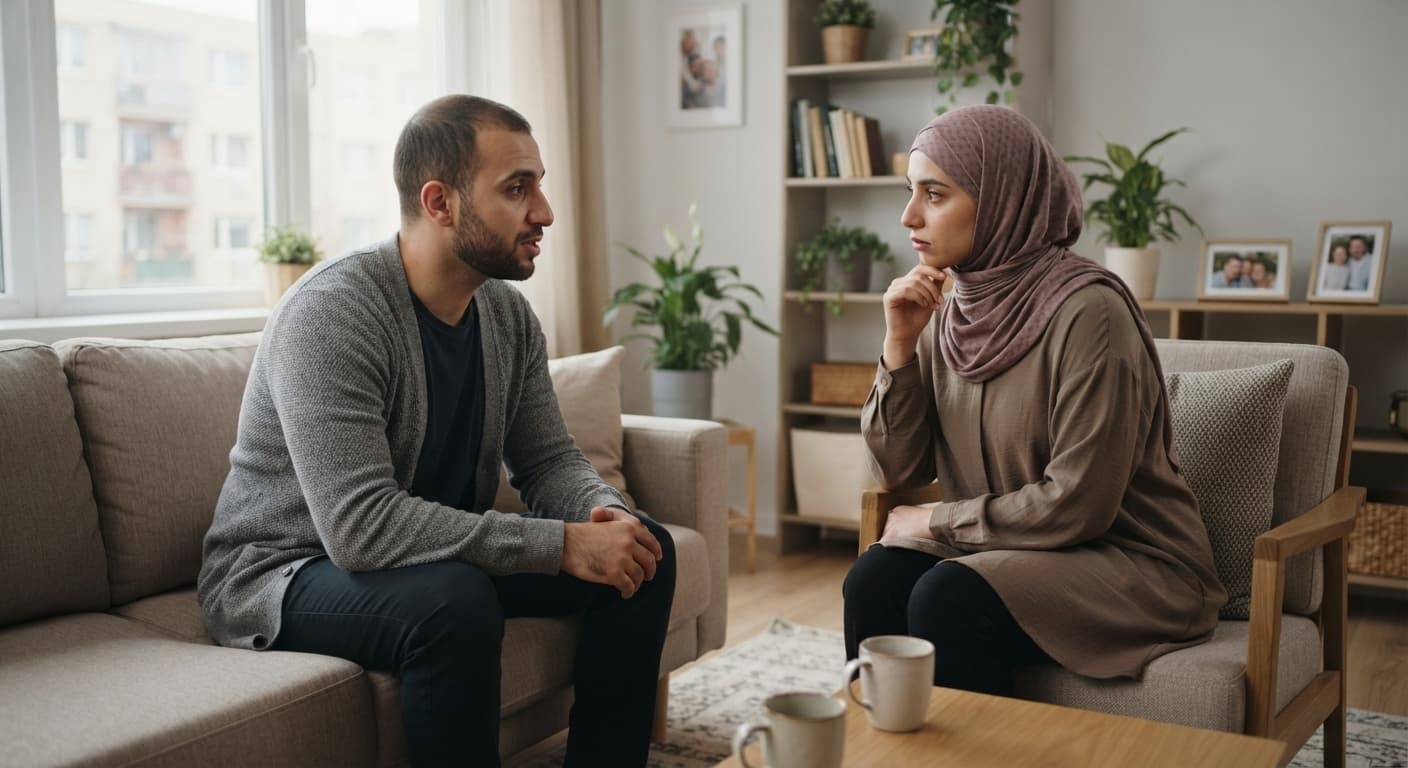
Talking about it honestly — with your fiancée herself if appropriate, or with someone you trust and whose judgment you respect — helps you actually classify it: is it general and vague, or specific and recurring about one particular thing? Hiding hesitation doesn't make it disappear — it can mean it resurfaces later, at a much harder time than now.
Is prayer and reflection alone enough?
Combining a request for Allah's guidance with practical advice from people you trust gives you a far clearer picture than internal anxiety left unconfronted ever could on its own.
For an additional angle on this same distinction, specifically from the perspective of istikhara and seeking advice, handling anxiety before marriage covers the same territory from a complementary angle.
In the end
Go back to that anxiety visiting you in quiet moments as the date gets closer. Hesitation during engagement isn't necessarily an alarming red flag, but it isn't something to fully dismiss either. Distinguishing between normal nerves and a real signal, through honest reflection with yourself and conversation with someone you trust, is what ultimately leads you to a decision you feel genuinely settled about, not an artificial certainty you're trying to talk yourself into.
Put your standards in a real profile
Create your free account in the browser and let matching work on your criteria, not on photos.